
What Is Dermatitis? A St. Louis Dermatologist Explains Causes, Symptoms & Treatments
If you've ever dealt with a stubborn patch of red, itchy, or inflamed skin, you've probably found yourself asking, what is dermatitis? In the simplest terms, dermatitis is a general name for skin inflammation. Think of it as your skin’s alarm system going off in response to an irritant or allergen, causing anything from a minor rash to serious discomfort for many people right here in St. Louis.
What You Need to Know: A Quick Guide to Dermatitis
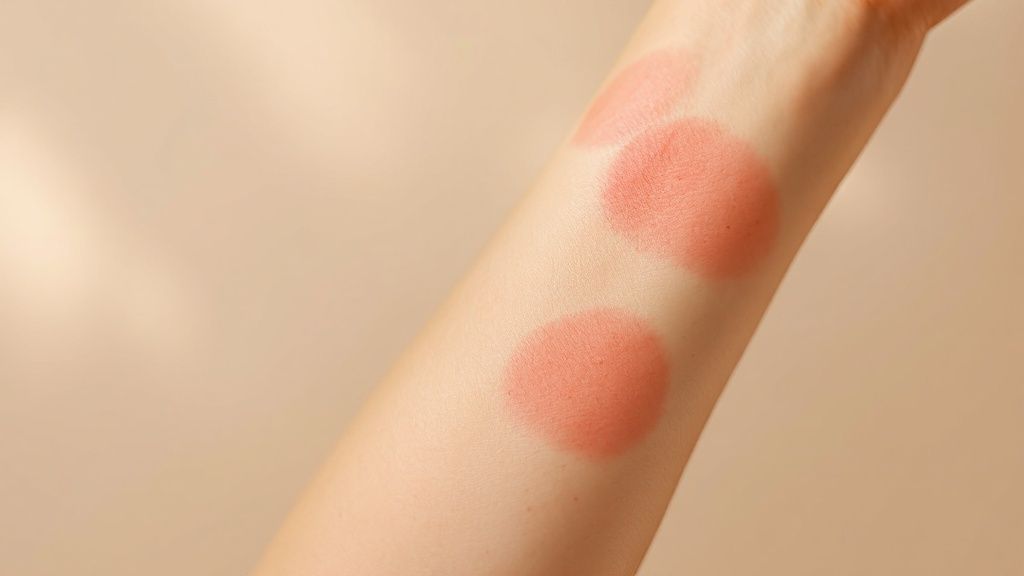
Dermatitis isn’t just one single condition. It’s actually a group of skin issues that all share common symptoms like redness, itching, and dryness. It's a widespread concern affecting people of all ages in St. Louis, from Ladue to Chesterfield.
According to a 2018 study published in the Journal of the American Academy of Dermatology, dermatitis, particularly its most common form, atopic dermatitis (eczema), affects a significant portion of the population. In the United States alone, an estimated 31.6 million people have some form of eczema, which shows just how many lives it touches.
At Mid-County Dermatology, our expert team, including Dr. Feigenbaum and Dr. Gibstine, is dedicated to helping patients in the greater St. Louis area pinpoint the exact type of dermatitis they're dealing with. Knowing the difference is the crucial first step toward finding real, lasting relief.
Common Types of Dermatitis
Here's a quick rundown of the types we see most often in our St. Louis dermatology practice:
Atopic Dermatitis (Eczema): This is the one people usually mean when they say "eczema." It's often tied to genetics and how your immune system responds. We offer a deeper look into managing this common condition.
Contact Dermatitis: This happens when your skin has a direct reaction to an irritating substance or something you're allergic to, like a new laundry detergent or a metallic watchband.
Seborrheic Dermatitis: You might know this one as dandruff when it's on your scalp. It tends to show up in oily areas of the body, like the scalp, face, and chest.
To help you get a clearer picture, here is a simple table outlining these common types.
Common Types of Dermatitis at a Glance
This table offers a quick comparison of the most prevalent forms of dermatitis, their key symptoms, and what typically triggers them.
Type of Dermatitis | Key Symptoms | Common Triggers |
|---|---|---|
Atopic Dermatitis (Eczema) | Dry, itchy, inflamed skin; red to brownish-gray patches; small, raised bumps that may leak fluid. | Genetics, immune system dysfunction, environmental factors (dust mites, pollen), certain foods. |
Contact Dermatitis | Red rash, itching, blisters or bumps, swelling, burning sensation in the affected area. | Allergens (poison ivy, nickel), irritants (soaps, detergents, chemicals). |
Seborrheic Dermatitis | Flaky white to yellowish scales on oily areas, red skin, itching, dandruff on the scalp. | Oily skin, yeast (Malassezia) on the skin, stress, hormonal changes. |
Understanding these distinctions is key. Each type of dermatitis requires a different management approach, and what works for one might not work for another.
Figuring out which type you have is essential because each one needs a unique care plan. A trusted St. Louis skin specialist can give you an accurate diagnosis and create a personalized strategy to bring you relief and get your skin back to a healthy state.
Decoding the Different Types of Dermatitis
When you hear the word dermatitis, it's easy to think of it as a single, specific skin problem. But that's not quite right. It's more helpful to see dermatitis as a broad term for a family of related skin conditions. Each type has its own set of triggers and tell-tale signs, kind of like different branches on a family tree.
Think of "dermatitis" as the surname. Then you have the individual family members—like atopic or contact dermatitis—each with a unique story. Knowing these distinctions helps patients from Chesterfield to Frontenac have much clearer, more productive conversations with their St. Louis skin doctor.
This diagram helps visualize how the main categories of dermatitis branch out from the core condition.
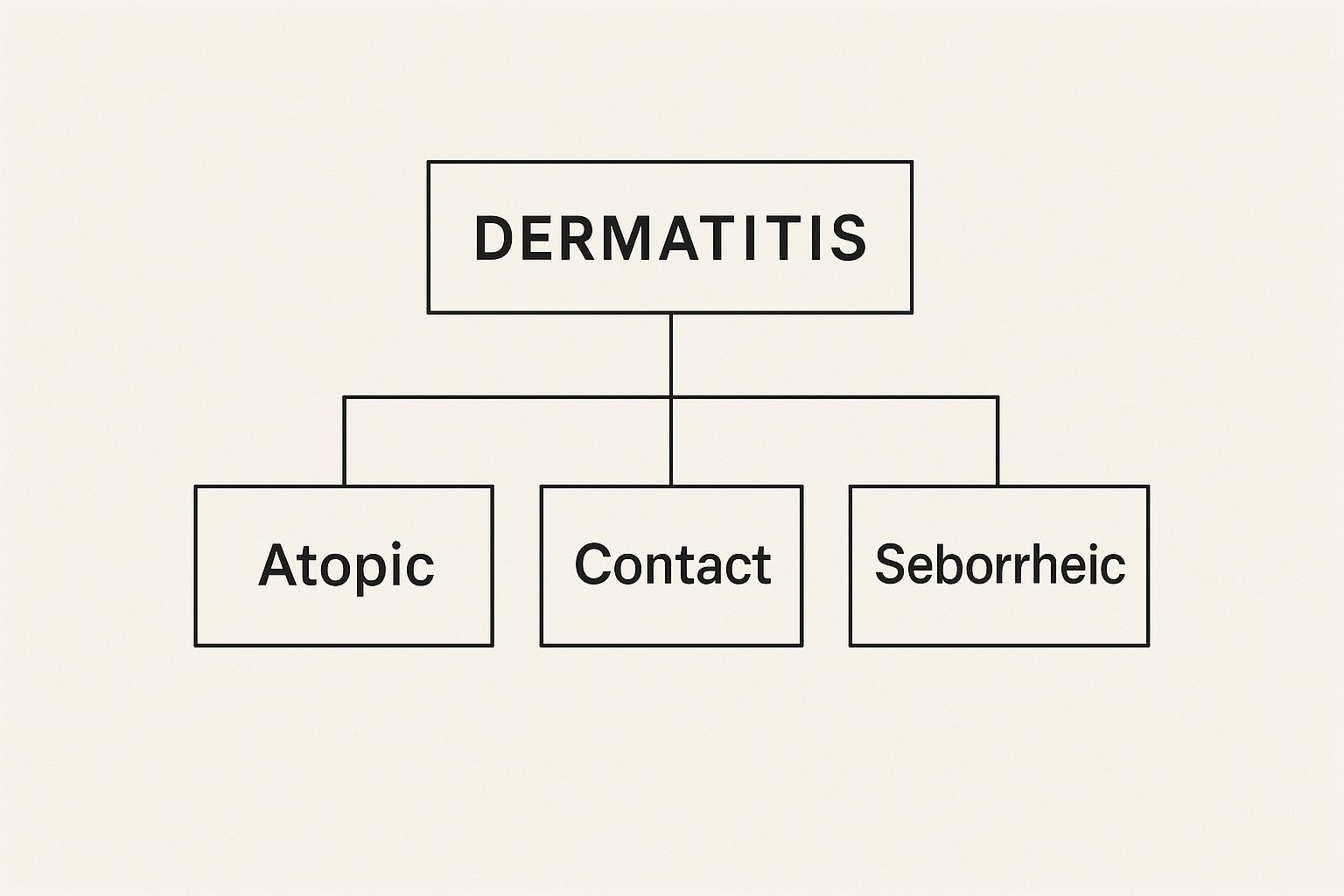
As you can see, "dermatitis" is really just an umbrella term covering several distinct issues. Let’s break down the most common types our team at Mid-County Dermatology sees day in and day out.
Atopic Dermatitis
You probably know this one by its more common name: eczema. Atopic dermatitis is a chronic condition that often runs in families and is tied to an overactive immune response. It all starts with a weakened skin barrier that just can't hold onto moisture or keep irritants out.
This weakness is what kicks off that classic, frustrating cycle of intense itching and scratching that so many of our patients struggle with.
Contact Dermatitis
This type is exactly what it sounds like—a direct reaction to something your skin touches. It’s a very clear cause-and-effect situation. Contact dermatitis itself splits into two main camps:
Allergic Contact Dermatitis: This is your immune system overreacting to a substance it sees as a threat, like the oil from poison ivy, the nickel in a cheap earring, or a certain fragrance. Your body mistakenly launches an all-out inflammatory attack.
Irritant Contact Dermatitis: This isn't an allergy at all. It’s simply direct damage to your skin from harsh substances. Think of the irritation you might get from strong soaps, cleaning chemicals, or detergents.
Seborrheic Dermatitis
This is the culprit behind that stubborn, flaky dandruff on your scalp. It can also cause greasy, scaly patches to pop up on oilier parts of your body, like your face, chest, and back. It’s linked to an overgrowth of a normal yeast that lives on everyone's skin, which for some reason triggers an inflammatory response in certain people.
To get a better handle on this specific condition, you can check out our detailed guide on managing seborrheic dermatitis in St. Louis.
What Causes Dermatitis and What Are the Symptoms?
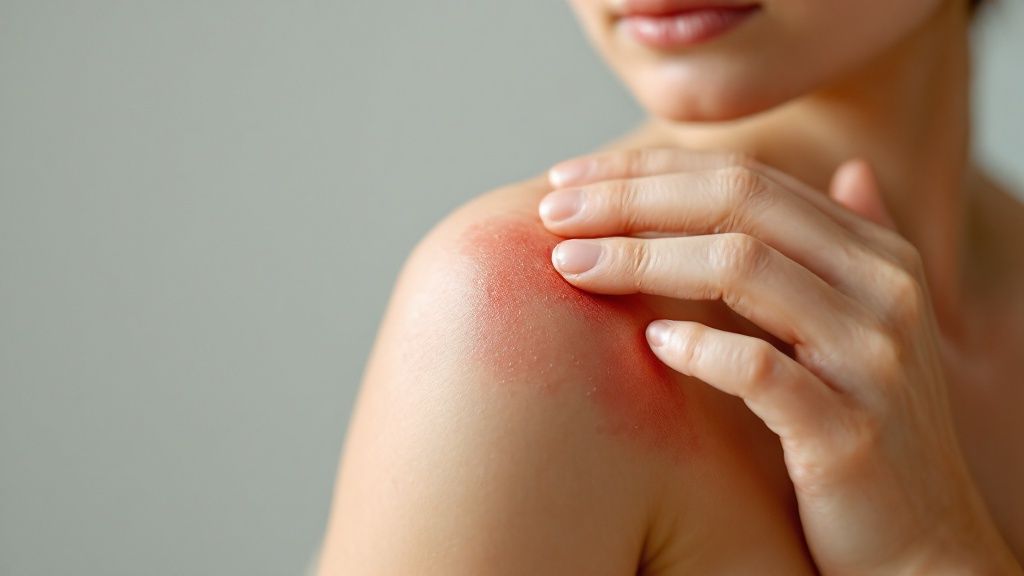
Recognizing the first signs of dermatitis is your first step toward relief. The condition usually shows up as a red, inflamed rash that just won't seem to go away. But simply spotting the symptoms is only half the battle. To really get a handle on it, you need to understand what's causing the flare-up in the first place.
The "why" behind dermatitis is often a complex mix of your genes and your environment. Think of your skin as having a natural protective barrier—a delicate shield of oils and healthy microorganisms. When that barrier gets weakened or thrown out of whack, it leaves your skin vulnerable to irritation and inflammation.
Common Causes and Triggers
What sets off dermatitis can be wildly different from one person to the next. For many of our patients here at our St. Louis dermatology practice, finally pinpointing these personal triggers is a major breakthrough.
Genetic Predisposition: Your family history plays a big part. The American Academy of Dermatology (AAD) confirms that if your relatives have a history of eczema, asthma, or hay fever, you're more likely to develop atopic dermatitis.
Environmental Factors: Living somewhere like St. Louis, you might notice your skin acts up with the seasons. Changes in pollen and humidity can be a trigger, and that dry winter air is a classic culprit for flare-ups.
Irritants and Allergens: Everyday items can be the source of the problem. Harsh soaps, detergents, strong fragrances, and even certain metals like nickel are common triggers for contact dermatitis. For others, an encounter with an allergen like poison ivy can lead to a really severe rash. You can learn more in our St. Louis dermatology guide to treating poison ivy.
Immune System Response: With conditions like atopic dermatitis, the immune system sometimes overreacts to things that shouldn't be a threat, kicking off an inflammatory response in your skin.
At Mid-County Dermatology, Dr. Feigenbaum and Dr. Gibstine help patients become detectives for their own skin. Understanding your personal triggers is essential for long-term management and comfort.
Key Symptoms to Watch For
While the symptoms can vary a bit depending on the specific type of dermatitis, there are several tell-tale signs to look for. If you're experiencing these, it might be time to see a St. Louis skin specialist.
Persistent Itching: This is often the most frustrating symptom. It can be mild, or it can be incredibly intense.
Redness and Swelling: The affected patch of skin will usually look inflamed and feel puffy.
Dry or Scaly Patches: Your skin might feel rough to the touch, flaky, or even become thickened over time.
Blisters or Bumps: Little fluid-filled bumps can pop up, and they might ooze if you scratch them.
Cracked Skin: In more severe cases, the skin can crack open, which is not only painful but also increases the risk of infection.
How Dermatitis Affects Different Age Groups

Dermatitis isn’t a condition that looks the same on everyone. It shows up with unique challenges and symptoms at every stage of life. What triggers a flare-up in a toddler is often completely different from what causes a rash in a senior citizen, which is why personalized care from an experienced St. Louis skin doctor is so crucial.
For many families in St. Louis communities like Clayton and Ladue, seeing a child struggle with itchy, inflamed skin is a huge worry. At the other end of the spectrum, older adults face their own distinct set of issues as their skin naturally changes over the years.
Dermatitis in Infants and Children
When it comes to infants and young children, atopic dermatitis (eczema) is the form we see most often. It usually appears as intensely itchy, dry patches, especially in the crooks of the elbows and behind the knees. A child’s immune system is still developing, and their skin barrier is more delicate, making them particularly vulnerable to environmental triggers.
Of course, when we talk about dermatitis in infants, it’s impossible not to mention the importance of understanding and preventing diaper rash—a very common form of irritant contact dermatitis.
The impact of atopic dermatitis on children is significant. A 2021 global health study highlighted its prevalence, noting that it is one of the most common inflammatory skin diseases in children worldwide.
Dermatitis in Older Adults
As we get older, our skin goes through some major changes. It naturally becomes thinner, produces less oil, and loses some of its ability to hold onto moisture. This process weakens the skin's protective barrier, leaving it much more vulnerable to irritant dermatitis.
"In our older patients from Creve Coeur and Chesterfield, we often see dermatitis triggered by dry winter air or harsh soaps that wouldn't have been an issue in their younger years," notes Dr. Feigenbaum of Mid-County Dermatology.
Changes in the immune system can also play a part, sometimes causing a delayed or altered reaction to allergens. This makes diagnosing and managing dermatitis in older adults a unique challenge that really requires a skilled St. Louis skin specialist.
Your Guide to Effective Dermatitis Treatments
Finding relief from dermatitis isn't about finding a single magic cream. Think of it more like building a toolkit—a well-rounded set of strategies to calm your skin and keep it that way. The journey usually starts with simple, practical steps you can take at home, but it’s good to know what medical therapies are available if things get more stubborn.
The absolute foundation of any good dermatitis plan is a gentle skincare routine. This is your first line of defense, helping to strengthen your skin’s natural barrier against irritants.
Over-the-Counter and Home Care Strategies
For many people with milder forms of dermatitis, getting control starts with smart choices at home. These strategies are all about soothing inflammation and protecting that all-important skin barrier.
Gentle Moisturizers: Your best bet is a thick, fragrance-free cream or ointment. Slather it on, especially right after a bath or shower, to trap moisture and create a protective seal on your skin.
Anti-Itch Creams: An over-the-counter cream with 1% hydrocortisone can be a lifesaver for temporarily calming down that maddening itch and reducing inflammation.
Cool Compresses: When the itching and burning feel intense, simply applying a cool, damp cloth to the area can provide immediate, blessed relief.
Mindful Material Choices: What you wear right next to your skin really matters. For a deep dive into what materials can help (and which to avoid), it's worth exploring resources on finding the [best fabric for sensitive skin](https://littleventureco.com/blogs/blog/best-fabric-for-sensitive-skin).
At Mid-County Dermatology, our board-certified dermatologists Dr. Feigenbaum and Dr. Gibstine always emphasize that consistent, gentle skincare is non-negotiable for managing dermatitis flare-ups.
Professional and Prescription Treatments
If you’ve tried the at-home route and your skin still isn't happy, it’s time to see a St. Louis dermatologist. Here at our clinic, serving communities like Ladue and Clayton, we’ll work with you to create a personalized plan that might include some stronger options:
Topical Corticosteroids: These are powerful, prescription-strength anti-inflammatory creams designed to get severe rashes under control quickly.
Calcineurin Inhibitors: A great non-steroidal option, these creams help dial down inflammation and are particularly useful for sensitive spots like the face.
Biologic Medications: For severe, persistent atopic dermatitis that just won't quit, these newer injectable drugs are a game-changer. They work by targeting the specific immune system pathways that trigger inflammation in the first place.
A qualified St. Louis skin specialist can properly diagnose what’s going on and pinpoint the most effective treatment for your specific type of dermatitis, putting you on the path to lasting relief.
When to See a St. Louis Dermatologist for Your Skin
While you can handle some minor rashes with over-the-counter remedies, knowing when to call in a professional is key to your skin's health. At-home care definitely has its limits, and a rash that just won't quit often points to an underlying issue that needs a proper diagnosis from a board-certified dermatologist.
If your rash is painful, spreading quickly, or showing signs of infection like pus or yellow scabs, it's time to book an appointment. You should also seek expert care if things aren't getting better after a week of home treatment or if it's wrecking your daily life, causing stress, or keeping you up at night. These are all clear signals that it's time for professional help.
Why Professional Evaluation Matters
Putting off a diagnosis can just lead to worse symptoms and more discomfort down the road. A qualified St. Louis dermatologist at Mid-County Dermatology, like Dr. Feigenbaum or Dr. Gibstine, can accurately figure out your specific type of dermatitis and build a treatment plan that actually targets the problem.
This is especially important for certain groups. A 2019 study in the British Journal of Dermatology confirmed that atopic dermatitis is a growing concern for older adults, with incidence rates increasing with age. A professional evaluation simply ensures you get the right treatment, faster.
You can learn more about how to find a St. Louis dermatologist who can guide you toward healthier skin.
Your Dermatitis Questions Answered (FAQ)
We hear a lot of the same questions about dermatitis from our patients across St. Louis, Ladue, and Chesterfield. Getting straight answers is the first step toward feeling in control of your skin's health. Let's clear up some of the most common concerns.
Can Diet Cause Dermatitis?
This is a big one, and the answer is nuanced. While your diet isn't the direct cause of most dermatitis, the AAD notes that certain foods can trigger a flare-up if you already have atopic dermatitis (eczema), especially in children. The usual suspects include dairy, eggs, soy, and nuts.
But here’s the important part: food isn't always the culprit. If you think something you're eating is making your skin worse, it's crucial to see a dermatologist or allergist for proper testing. Please don't start cutting out entire food groups on your own. A specialist here at Mid-County Dermatology can help you investigate potential triggers without compromising your nutrition.
Is Dermatitis Contagious?
Absolutely not. You can't pass dermatitis to another person. It’s an inflammatory condition that comes from within your body, not an infection caused by a germ you can spread.
That means you cannot "catch" dermatitis from someone through a hug, by sharing a towel, or any other kind of contact. The rash is simply your body's unique reaction to your own mix of genetic and environmental factors.
Key Takeaway: The rash you see is a personal inflammatory response. It poses zero risk to others, so there's no need to worry about spreading it to family or friends.
How Can I Prevent Dermatitis Flare-Ups?
Prevention is all about knowing your personal triggers and sticking to a consistent, gentle skincare routine. It's not about a single magic bullet, but a combination of smart habits.
Here are the strategies that make the biggest difference:
Moisturize daily. A high-quality, fragrance-free cream is your best friend. It helps support and repair your skin's natural barrier.
Avoid your known irritants. This includes harsh soaps, certain detergents, and any chemicals you've noticed bother your skin.
Manage your stress. It might sound unrelated, but stress is a huge trigger for all sorts of inflammatory skin conditions.
Protect your skin from the elements. Extreme temperatures—whether it's hot and humid or cold and dry—can easily provoke a flare.
A St. Louis skin specialist can work with you to build a personalized prevention plan that fits your specific type of dermatitis and your lifestyle.
Ready to take control of your skin health? The expert team at Mid-County Dermatology is here to provide a clear diagnosis and personalized treatment plan. Schedule your consultation today.
This information is for educational purposes only and does not constitute medical advice. Please consult with Dr. Feigenbaum, Dr. Gibstine, or another qualified healthcare provider at Mid-County Dermatology for personalized treatment recommendations. Individual results may vary.


Comments