
Gentle Rosacea Care: Skincare, Triggers, and Evidence-Based Treatment
Updated: Oct 23
Rosacea can cause flushing, persistent facial redness, bumps, and sometimes eye symptoms. Gentle skincare and identifying personal triggers can support treatment. “Natural” products and dietary changes have different levels of evidence, and they should not be assumed to treat every feature of rosacea.
Start with a comfortable skincare routine
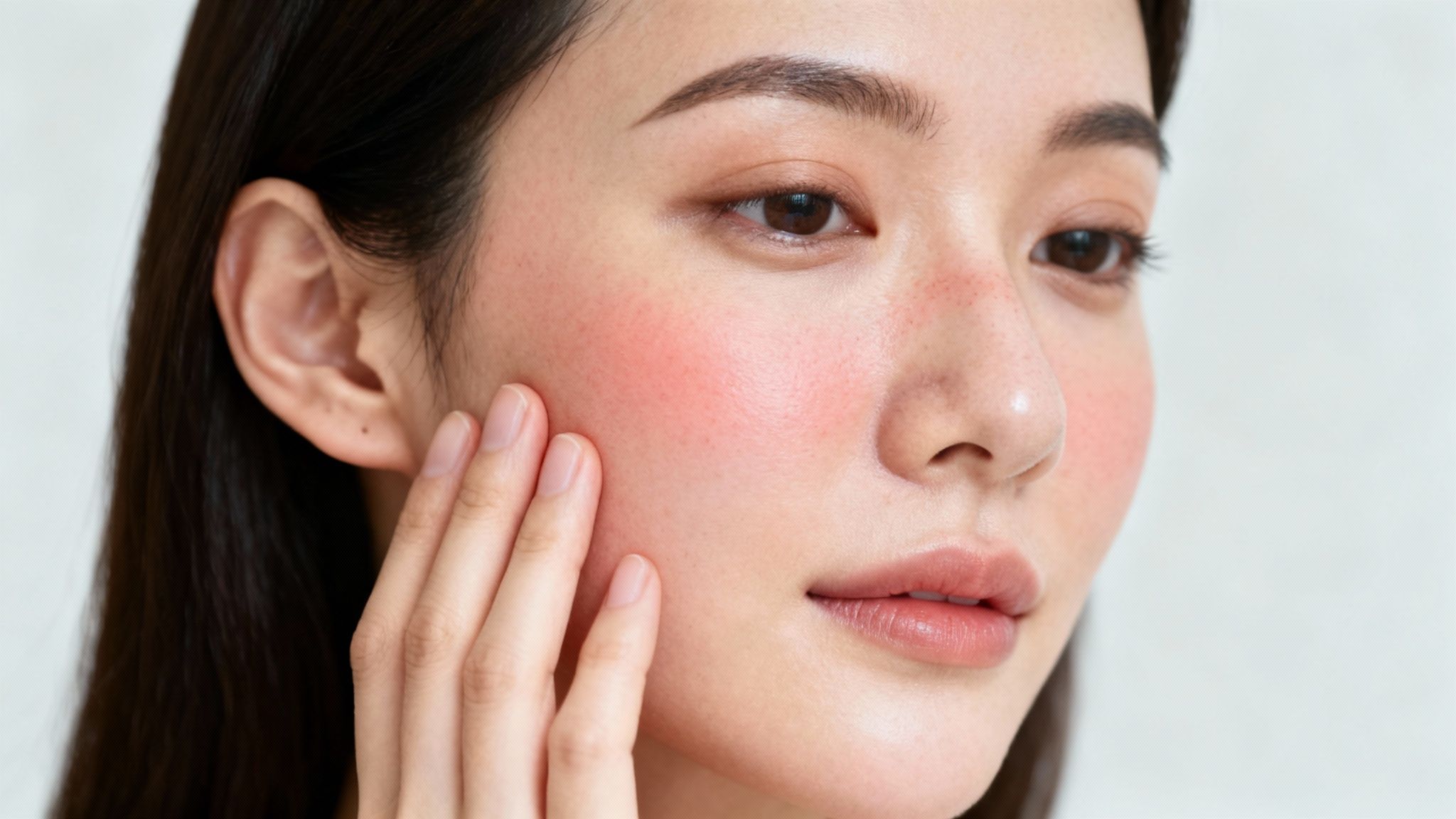
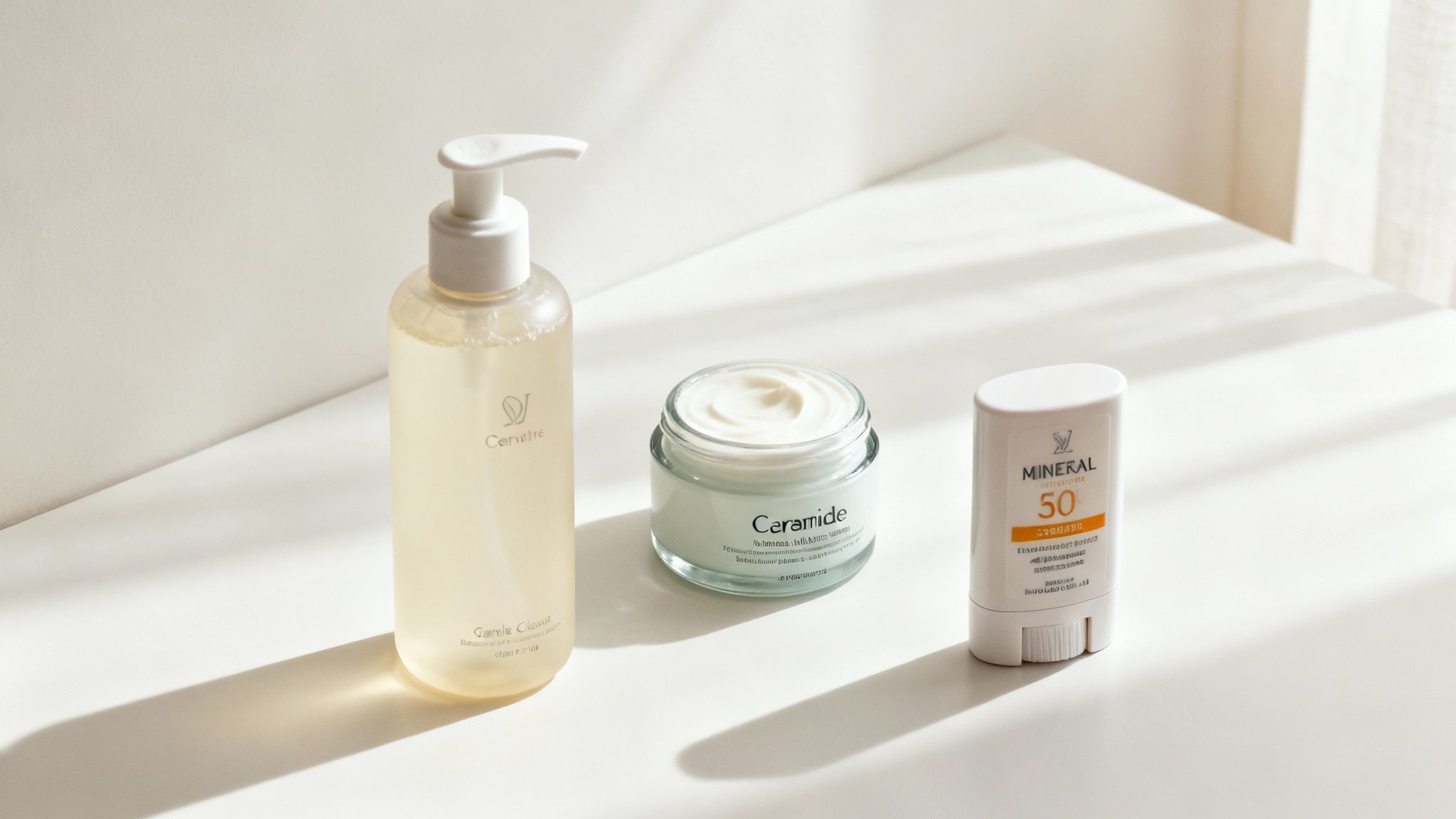
Use a gentle cleanser, moisturizer, and broad-spectrum SPF 30 or higher that your skin tolerates. Avoid scrubbing and stop a product that burns or stings. The AAD’s rosacea guidance explains practical steps for reducing irritation and finding personal triggers.
Mineral sunscreens are an option for sensitive skin, but their complete formulation still matters. Zinc oxide and titanium dioxide protect mainly by absorbing UV, with some reflection and scattering; they are not simply a surface mirror.
Look for your own triggers
Sun, overheating, stress, alcohol, spicy foods, or hot drinks can trigger symptoms in some people. Keep a short diary of exposures and symptoms rather than eliminating broad food groups automatically. Patterns can help guide a discussion with your dermatologist.

A balanced diet supports overall health, but no universal “anti-inflammatory” diet can be promised to clear rosacea. The evidence discussed here does not justify recommending zinc, probiotics, olive oil, or a gut-reset program as a routine rosacea treatment.
Be cautious with botanical claims
Laboratory anti-inflammatory activity does not prove that a botanical product treats rosacea in people. Findings from a small study of one formula cannot be transferred to all products containing the same plant. Botanical extracts and essential oils can also irritate or cause allergy.
If you want to try an optional skincare product, introduce one at a time and discuss it with your dermatologist. Testing a small area first may identify irritation but cannot guarantee safety. Avoid layering multiple new products during a flare.
Where prescription treatment fits
Treatments are chosen for the features present: inflammatory bumps, persistent redness, visible vessels, thickened skin, or eye involvement. For example, a randomized trial compared topical ivermectin 1% with metronidazole 0.75% in papulopustular rosacea and found greater inflammatory-lesion improvement with ivermectin. This supports a specific treatment for a specific form of rosacea; it does not mean it is right for every patient.
Your dermatologist can explain the options, expected response, adverse effects, and maintenance needs. Gentle skincare and prescribed treatment can be used together according to your plan.
When to seek care
Arrange an evaluation for persistent facial symptoms, worsening bumps, or skin thickening. Eye irritation, burning, or gritty sensations also warrant medical assessment. Eye pain or a change in vision needs urgent evaluation.
Rosacea symptoms vary over time. A useful plan is one you can follow comfortably, with changes based on your response and the strength of the evidence.
For a personalized rosacea plan, schedule your consultation with Mid-County Dermatology. Learn more about our rosacea care, or call (314) 994-0200.
This article is for general educational purposes only and is not medical advice. If you have questions or concerns about your skin, talk with one of our dermatologists at Mid-County Dermatology.


Comments