
Can Fall Sun Protection Support Healthier Skin Between Screenings?
How Can Fall Sun Protection Support Healthier Skin?
Fall sun protection can support healthier-looking skin by helping reduce daily UV exposure, even when temperatures feel cooler. Sunlight can still affect exposed skin during walks, errands, outdoor activities, and time near windows, which is why sunscreen remains an important part of a consistent routine.
If you want personalized guidance for sun protection, dry skin, or other seasonal skin concerns, schedule your appointment with Mid-County Dermatology.
A steady routine can also make it easier to notice changes in your skin over time. Sun protection works well alongside gentle skin care, especially when fall weather leaves skin feeling dry or irritated.
Key Takeaways
Cooler weather does not mean UV exposure has stopped.
Broad-spectrum sunscreen, hats, sunglasses, and shade can fit into daily fall plans.
A consistent regimen can support dry, sensitive, or eczema-prone skin.
What Changes In Fall Can Increase UV Exposure?
Crisp weather can make it easy to underestimate the sun. UV rays are not the same as heat, so you may not feel warm or notice that your skin is getting exposed on a bright fall day. Cloud cover can also be misleading, especially when you spend time outdoors around midday.
We often encourage patients to think about their regular routines. Fall exposure may happen during weekend walks, gardening, outdoor sports, festivals, commuting, or sitting beside a sunny window. Water, pavement, and light-colored concrete can reflect sunlight onto exposed skin, too.
Guidance from the American Academy of Dermatology recommends year-round sun protection, including daily use of broad-spectrum sunscreen (American Academy of Dermatology, Sunscreen FAQs). Rather than treating sunscreen as a summer-only product, it can help to make it part of your morning routine before you head outside.
How Should I Build A Fall Sun Care Routine?
A simple routine is often easier to maintain. In the morning, we generally recommend gentle cleansing, moisturizer when your skin needs it, and a broad-spectrum sunscreen with SPF 30 or higher on exposed skin. Apply sunscreen generously before outdoor time, including to areas that are easy to miss, such as the ears, neck, and backs of the hands.
Reapplication may be helpful when you spend extended time outdoors, sweat, or wipe your face. Sunscreen is one useful layer of protection, but it is not the only one.
Choose a wide-brimmed hat for outdoor activities.
Wear sunglasses that provide UV protection.
Seek shade when it is available.
Consider long sleeves or other comfortable protective layers.
Fall air can also become cooler and less humid, which may leave skin feeling tight, dry, or itchy. Fragrance-free moisturizers and gentle products may be more comfortable for people with easily irritated skin. If flaking or irritation keeps returning, it may be worth discussing eczema or another skin concern with a dermatologist.
Can Sun Protection Help Sensitive Or Dry Skin Feel More Comfortable?
A thoughtful sun care routine may feel especially helpful when you are managing dry skin, eczema, or rosacea-prone skin. The goal is not to find one product that works for everyone. Instead, we can help you identify products and habits that feel comfortable for your skin.
For sensitive skin, many people prefer fragrance-free moisturizers, mild cleansers, and sunscreen formulas made for sensitive skin. A product that works well for a friend or family member may not feel right on your skin, especially if you are prone to burning, stinging, redness, or itching.
Persistent dryness, redness, itching, or irritation deserves attention rather than guesswork. During an in-office visit, we can evaluate your concerns, review the products you are using, and discuss a skin care routine that fits your needs. This can be particularly useful when eczema or rosacea symptoms are difficult to manage.
How Does A Fall Skin Care Check-In Fit Into Your Routine?
Daily sun protection and a consistent skin care routine have different roles, and both can be part of a long-term plan. Sunscreen and protective clothing help limit ongoing UV exposure. A regular check-in with your dermatologist gives us an opportunity to evaluate dryness, irritation, redness, or other concerns that affect your comfort.
Fall can be a practical time to reset habits after summer. Consider replacing expired sunscreen, putting a travel-size option in your bag, and keeping sun protection near your toothbrush or moisturizer so it is easier to remember.
We also encourage you to keep recommended dermatology visits on your calendar after summer ends. Your appointment is personal to you, including your sun exposure habits, skin concerns, and the products you use. If you have questions about recurring redness or irritation, we can also discuss concerns related to rosacea.
Feel More Prepared for Your Next Screening
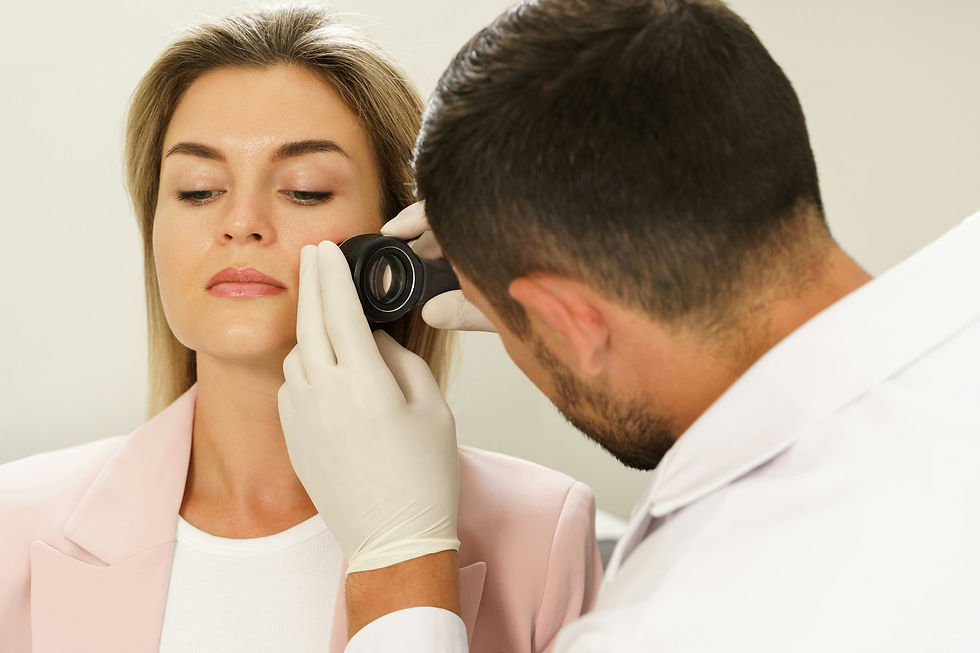
If you are due for a skin cancer screening in St. Louis, our team can provide a thorough evaluation and answer questions about protecting your skin throughout the year. We can also help you build a practical routine for dryness and daily sun protection. Schedule your appointment with Mid-County Dermatology when you are ready for personalized skin care guidance.
FAQ
What Questions Do Patients Ask About Fall Sun Care?
Patients often ask how to keep sun protection simple while also managing dryness, sensitivity, eczema, or rosacea during the cooler months.
Do I Still Need Sunscreen In St. Louis During The Fall?
Yes. UV exposure can still occur during fall, including on cool or cloudy days. Broad-spectrum sunscreen can be a helpful part of your daily routine when exposed skin will be outdoors.
What SPF Should I Use For Everyday Fall Activities?
The American Academy of Dermatology recommends a broad-spectrum, water-resistant sunscreen with SPF 30 or higher. We can help you consider options for dry, sensitive, eczema-prone, or rosacea-prone skin.
Can Sunscreen Make Dry Skin Or Eczema Feel Worse?
Some formulas may feel irritating, especially if they contain fragrance or ingredients that do not agree with sensitive skin. Fragrance-free sunscreen and moisturizer options may feel more comfortable for some people.
Should I Review My Skin Care Routine In The Fall?
Fall can be a convenient time to adjust your routine for cooler, drier air. Your dermatologist can discuss products and habits that may be appropriate for your individual skin concerns.
What Should I Bring To My Dermatology Appointment?
Bring a list of your skin concerns, current products, medications, and questions about sun protection or dryness. This information can help us better understand what your skin has been experiencing.


Comments