
Recognizing Eczema Triggers a St. Louis Dermatologist Can Treat
Updated: Sep 20
Eczema triggers are the things that make your eczema suddenly worse, such as heat, certain soaps, or stress. Understanding and managing these triggers can reduce flares, improve comfort, and help your treatments work better. At Mid-County Dermatology in St. Louis, our board-certified dermatologists work with you to identify your personal triggers and build a realistic, long-term plan for calmer skin. Schedule your appointment today.
Key Takeaways
Eczema triggers are things that irritate your already sensitive skin and cause flares
St. Louis weather, sweat, pollen, and indoor AC can be sneaky triggers many people miss
An eczema dermatologist in St. Louis can use your history, exam, and testing to pinpoint triggers
A tailored treatment and trigger plan can cut down flares and improve daily comfort
It is time for a visit when flares are frequent, painful, or getting in the way of sleep, school, or work
How Eczema Triggers Make Your Skin React
Eczema, or atopic dermatitis, is a long-term condition where the skin barrier does not work as well as it should. The skin loses moisture more easily, which makes it dry, itchy, and more open to irritation.
Genetics, the immune system, and the environment all play a part, which is why one person’s eczema can look and feel very different from someone else’s.
A trigger is not the same as the root cause, like your genes. Instead, triggers are the day-to-day things that poke at your already sensitive skin, such as heat, soaps, rough fabrics, or stress.
When your skin meets a trigger, the immune system can overreact, leading to redness, swelling, itching, and rash.
Learning your triggers is worth the effort. When you avoid or reduce them, you can often have:
Fewer and milder flares
Less itching and better sleep
Better results from moisturizers and prescription creams
If you keep guessing at home and nothing seems to help, that is a sign it is time to see a dermatologist for a full skin and trigger review.
Everyday Eczema Triggers Many St. Louis Patients Miss
In the St. Louis area, the mix of heat, humidity, and indoor cooling can be tough on sensitive skin, especially in late summer. Some common local triggers include:
Heat and sweat building up in skin folds, under sports gear, or under masks
High pollen counts and outdoor allergens that can irritate eyelids, neck, and arms
AC and fans drying out skin that is already a bit sun- or pool-exposed
At home, daily products and habits can quietly make eczema worse:
Fragranced detergents and fabric softeners, especially on sheets and towels
Itchy fabrics like wool or rough tags and seams
Long, hot showers, harsh soaps, scrubs, and loofahs that strip natural oils
Strong cleaners, frequent handwashing without moisturizing, and alcohol-based products
Stress and physical friction are also big triggers. Many people notice flares when:
School or work stress ramps up, especially at the start of the school year
Sports, workouts, or outdoor play cause more sweat, rubbing, and tight clothing
Itching at night turns into scratching in your sleep, which can break the skin and keep the cycle going
Allergies, Infections, and Other Hidden Triggers a Dermatologist Finds
Not every trigger is easy to spot. Some are allergic reactions that build up over time.
With contact dermatitis, dermatologists look for:
Irritant contact dermatitis, where something simply irritates the skin, like a strong soap
Allergic contact dermatitis, where your immune system reacts to a specific ingredient
Common contact allergens include nickel in jewelry, fragrances, preservatives in lotions, hair dyes, and some topical antibiotics. These can sit right in your daily routine until testing shows the problem.
Food allergies can also play a role, especially in children, but they are usually not the main cause of eczema. Guidelines from professional groups such as the American Academy of Dermatology and the American Academy of Allergy, Asthma & Immunology note that:
Food allergy testing is considered when there is a clear pattern, like hives or tummy trouble after certain foods
Removing major foods should only be done with medical guidance, to avoid nutrition issues
Infections can act like sudden triggers too. Bacteria, viruses, or fungi can settle into broken skin and make eczema flare fast.
Signs can include:
Yellow crust, oozing, or wet-looking patches
Sudden pain, warmth, or swelling
Spots that spread quickly or look very different from your usual rash
Hormones, asthma, and allergy history can also affect eczema. Puberty, pregnancy, or monthly cycles may change flare patterns.
Some medications or even certain topical products can irritate sensitive skin, which is why a careful review by a board-certified dermatologist is important.
How an Eczema Dermatologist in St. Louis Pinpoints Your Triggers
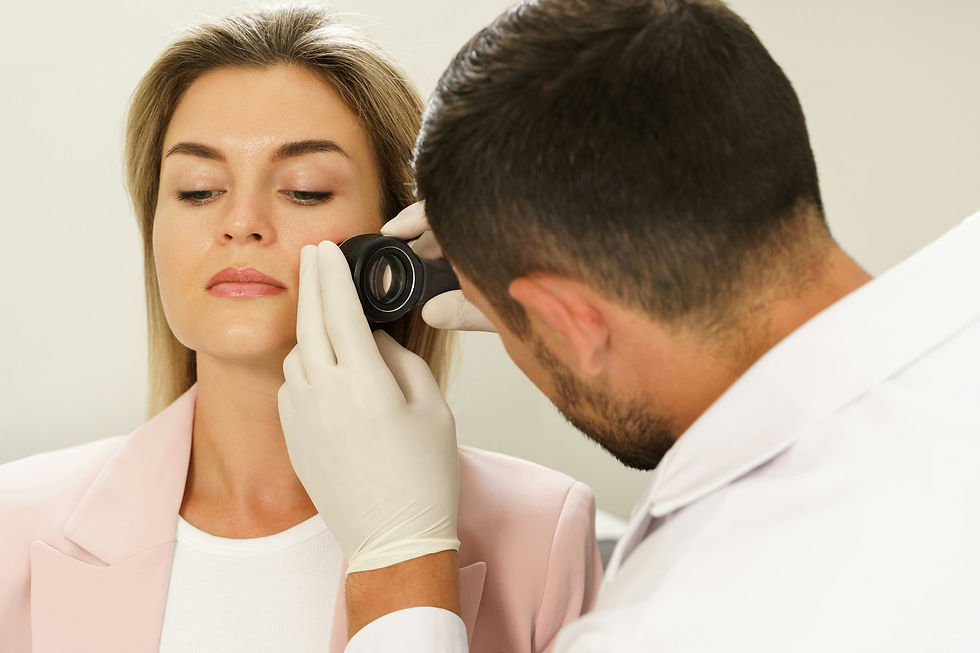
At an eczema visit, we start by listening. We ask detailed questions about:
When your symptoms show up and where on your body
Your home, school, or work environment and daily routines
Products you use on your skin, hair, and in your laundry
Past treatments, what you liked, and what did not help
We then do a full skin exam, checking patterns, severity, and any signs of infection or contact allergy. Depending on what we see, we may suggest:
Patch testing to look for allergic contact dermatitis from ingredients touching your skin
Skin cultures if infection is suspected
Bloodwork or referral to an allergy specialist when needed
Photos and simple symptom diaries can help us match your flares to weather, activities, or products.
From there, we build a personalized plan that usually includes:
A short, clear list of the most likely triggers to adjust first
Moisturizers and cleansers that fit your skin type and the season
Prescription creams, ointments, or other treatments matched to your age and severity
We also set realistic expectations. Eczema is usually managed over time, not cured in one visit, so follow-up care is important.
Seasonal Strategies to Calm Eczema in Late Summer
Late summer in St. Louis is often hot and sticky, which can make eczema feel extra itchy and raw. A few general strategies dermatologists often discuss include:
Short, lukewarm showers instead of long, hot ones
Gentle, fragrance-free cleansers and skipping harsh scrubs
Moisturizing within a few minutes after bathing while skin is still slightly damp
In very humid weather, many people do better with a lighter cream in the daytime and a thicker ointment on the driest spots at night.
If you are in the sun or pool:
Rinse off chlorine or lake water soon after swimming
Apply moisturizer after rinsing
Choose mineral sunscreens that are often better tolerated on sensitive skin
For everyday life, small tweaks can help:
Wear breathable fabrics and loose layers that let sweat evaporate
Pat, do not rub, skin dry after showers or workouts
For kids and teens, consider fragrance-free hand products and talk with teachers about avoiding strong classroom cleaners on their skin
Home adjustments have limits. It is important to see a dermatologist when:
The rash is spreading, very red, or weeping
Itching keeps you or your child from sleeping
Pain, crusting, or swelling suggest infection
Earlier care often means shorter, calmer flares and less chance of long-term marks. If you or your child are struggling with eczema, we encourage you to schedule an appointment at Mid-County Dermatology so we can help you understand your triggers and create a safe, effective plan.
Frequently Asked Questions About Eczema Triggers
How Do I Know If Something Is Really an Eczema Trigger for ME?
Noticing patterns is key. Pay attention to what happened in the 24 to 48 hours before a flare: new products, activities, clothing, or stress. A simple diary of symptoms, weather, and products can help. When patterns are unclear or many things changed at once, a dermatologist can sort through the details and use testing or a trial plan to confirm triggers.
Can an Eczema Dermatologist in St. Louis Test for All My Triggers?
We can test for many contact allergens with patch testing and look for infections with skin cultures. Some triggers, like stress, heat, or sweat, cannot be tested in a lab, but your history, photos, and timing of flares give strong clues. We combine what you tell us, what we see on your skin, and any test results to build a realistic trigger and treatment plan.
Are Food Allergies Usually the Cause of Eczema Flares?
For most people, food allergies are not the main cause of eczema, even if both problems are present. Professional groups, including the American Academy of Dermatology and allergy societies, note that food testing is most helpful when there are clear reactions such as hives, vomiting, or trouble breathing after specific foods. It is important not to remove major foods from a child’s diet without medical guidance, because this can affect growth and nutrition.
What Should I Change First at Home If My Eczema Is Getting Worse?
Safe first steps usually include using fragrance-free laundry products, switching to gentle cleansers, keeping showers short and lukewarm, and moisturizing at least twice a day. Try soft, breathable fabrics and keep your home temperature and humidity as steady as possible. These changes are a good start, but they do not replace a medical visit if your skin is very itchy, painful, or not improving.
When to See Mid-County Dermatology for Eczema?
You should see us if you have frequent flares, if over-the-counter products are not helping, or if eczema is waking you up at night or affecting school, work, or activities. It is especially important to schedule a visit for infants and young children with eczema, or if you notice signs of infection like oozing, crusting, or sudden pain. We are here to help you understand your triggers and create a clear, personalized plan for calmer skin, and we welcome you to schedule an appointment at Mid-County Dermatology when you are ready for expert support.
Take Control Of Your Eczema With Personalized Care
If you are ready for relief from flare-ups, irritation, and sleepless nights, our team at Mid-County Dermatology is here to help. Schedule an appointment with an experienced eczema dermatologist in St. Louis so we can evaluate your skin, identify your triggers, and create a treatment plan that fits your life. We focus on practical, evidence-based solutions that are tailored to your symptoms and goals. Reach out today to take the next step toward calmer, healthier skin.

Comments