
Summer Skin Exams in St. Louis for Outdoor Sports and Hobbies
Summer Skin Exams for St. Louis Athletes: Do You Really Need One?
If you spend a lot of time outdoors for sports or hobbies in St. Louis, a summer skin exam is one of the simplest ways to catch skin cancer and sun damage early. Even if you feel healthy and wear sunscreen, a board-certified dermatologist can spot subtle changes you may miss and tailor a protection plan to your routine so you can stay active safely.
A focused summer skin check at Mid-County Dermatology is typically quick, comfortable, and can be scheduled around your busy season so it becomes a repeatable part of your yearly health routine.
Key Takeaways
- Outdoor sports and summer hobbies in St. Louis increase your UV exposure and long-term skin cancer risk, even if you tan easily.
- An annual or seasonal skin check in St. Louis helps detect precancerous spots and skin cancers early, when treatment is usually simpler and more successful.
- Board-certified dermatologists at Mid-County Dermatology can build a personalized sun protection and follow-up plan that fits your favorite outdoor activities.
- Self-checks at home are helpful, but they do not replace a professional exam, especially if you have risk factors or spend many hours in the sun.
Why Do Summer Sports Make Skin Checks More Important?
St. Louis summers mean high UV levels on and off the field. Think about sitting through a full Cardinals day game, playing back-to-back soccer matches, walking 18 holes of golf, or riding your bike along the riverfront. That is hours of direct sun from above plus reflected light from grass, concrete, water, and even bleachers.
For many sports and hobbies, sweat, water, and friction work against your sun protection:
- Sweat can cause sunscreen to streak or wear off faster.
- Water from the pool or lake washes product away, even if the label says water-resistant.
- Friction from helmets, chin straps, backpacks, golf bags, or life vests can rub off sunscreen on your nose, ears, shoulders, and neck.
Skin cancer risk builds over time. Even "just weekend games" slowly add to your total UV exposure, especially if you have:
- Naturally lighter skin, hair, or eyes
- A history of blistering childhood sunburns
- Past indoor tanning bed use
Dermatology groups such as the American Academy of Dermatology and the Skin Cancer Foundation consistently point out that unprotected UV exposure is a major risk factor for all common types of skin cancer.[1][2] That is why a focused skin check in St. Louis is especially helpful after a busy stretch of summer sports and outdoor events.
How Can You Tell If You Need a Summer Skin Exam Now?
Some people should be seen sooner rather than later, especially when summer sun is strong. Risk factors that should prompt a timely skin check include:
- Personal history of skin cancer of any type
- Family history of melanoma
- Many moles, atypical moles, or large birthmarks
- Past blistering sunburns, especially as a child or teen
- Any history of tanning bed use
- Fair skin, light eyes, or red or blonde hair
- A medical condition or medication that weakens your immune system
Lifestyle is just as important as skin type. You may benefit from a summer visit if you:
- Work outside or coach youth sports
- Golf, play tennis or pickleball, or run several times a week
- Train for marathons or triathlons
- Spend many hours boating, fishing, or at the pool
- Garden or do yard work during midday hours
Warning signs on your skin can be subtle. The ABCDEs of melanoma are a simple guide:
- Asymmetry: one half of a spot looks different than the other
- Border: edges are uneven, blurred, or notched
- Color: more than one color, or very dark black, blue, or red areas
- Diameter: larger than the size of a pencil eraser
- Evolving: changing in size, shape, color, or feel
Also pay attention to:
- Sores that do not heal within a few weeks
- Rough, scaly patches that crack or bleed
- New bumps that grow, bleed, or crust
- Spots that itch, hurt, or feel different from the rest
Even if you do not see any obvious problems, a baseline skin check in St. Louis is helpful, especially if you are ramping up outdoor training or joining new summer leagues.
> This information is for general education and should not replace an in-person medical evaluation. If you are unsure whether you need an exam, scheduling a visit with a board-certified dermatologist is the safest way to get personalized guidance.
What Actually Happens During a Professional Skin Check?
A full-body skin exam is usually straightforward and not painful. At Mid-County Dermatology, a visit typically includes:
- A review of your medical and family history
- Questions about your outdoor activities and sun habits
- A head-to-toe visual exam, from your scalp to your toes
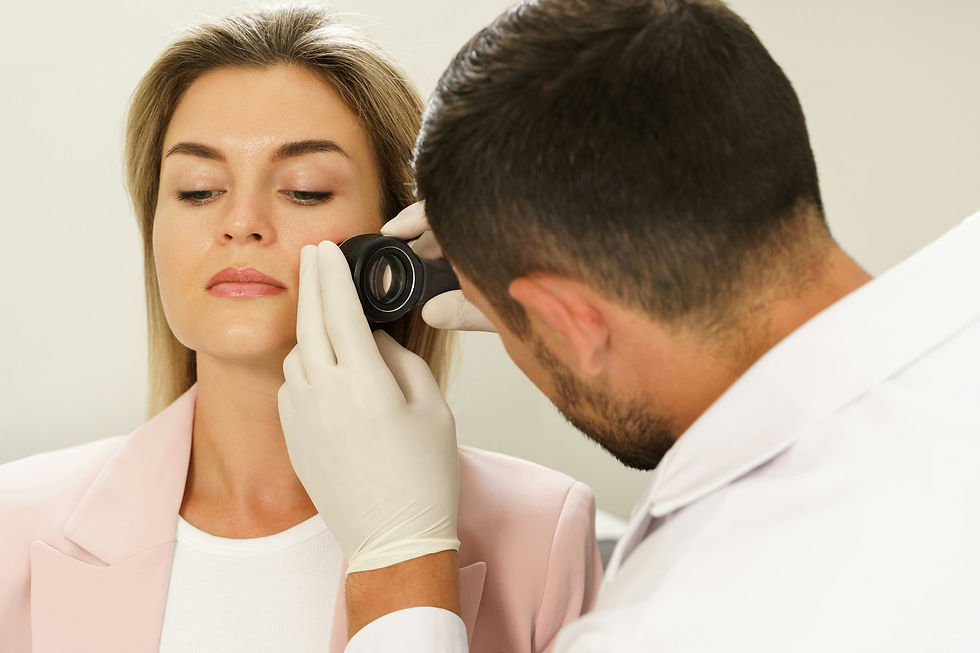
You will be given a gown, and we use modesty draping so you feel comfortable. We explain what we are looking at and why, and you can point out any moles or spots that worry you. Tools like a dermatoscope, a special lighted magnifier, help us look more closely at certain areas.
If something looks concerning, we may:
- Examine it more closely with magnification
- Take photos to monitor changes over time
- Recommend a small in-office biopsy so a lab can look at the cells under a microscope
A biopsy is usually quick and done with local numbing medicine. Most people are able to go right back to normal daily activities afterward.
How often you need a skin check depends on your risk:
- Many people do well with a yearly visit.
- Those with a history of skin cancer or heavy sun exposure may need more frequent exams.
Scheduling your skin check around early or mid-summer can help you create a simple, repeatable routine each year.
What Sun Protection Tips Work Best for St. Louis Athletes?
You do not have to give up your time outside to protect your skin. A few sport-specific changes can make a big difference:
- Golfers and Anglers: wear broad-brimmed hats, UV-blocking sunglasses, and lightweight long sleeves.
- Runners and Hikers: choose UPF shirts, breathable long sleeves, and caps with neck flaps if possible.
- Swimmers and Boaters: use UV-protective swim shirts and reapply sunscreen often.
- Gardeners and Spectators: wear wide-brimmed hats and seek shade when you can.
For sunscreen:
- SPF 30 or higher
- Broad-spectrum coverage (for both UVA and UVB)
- Water- and sweat-resistant formulas for sports
Apply a generous amount 15 to 30 minutes before going outside and reapply every two hours or after swimming or heavy sweating.[1]
A few common myths often get in the way:
- "I Only Play in the Evenings." UV rays are still present in the late afternoon and on cloudy days.
- "I Tan, I Do Not Burn." Tanning is still a sign of skin damage.
- "Sunscreen Makes Me Break Out." There are non-comedogenic and mineral formulas that are gentler on acne-prone or sensitive skin.
Simple habits help busy families stay on track:
- Keep a small "sun kit" with sunscreen, a hat, and sunglasses in your sports bag or car.
- Set a phone reminder to reapply during tournaments or double-headers.
- Plan a yearly skin check in St. Louis around your regular physical so it becomes part of your normal health routine.
How Can You Watch Your Skin Between Dermatology Visits?
Professional exams are important, but self-checks help catch changes sooner. Once a month, take a few minutes to look over your skin:
- Stand in good light with a full-length and hand mirror.
- Check your face, scalp, neck, chest, and back.
- Look carefully at arms, hands, legs, feet, and between toes.
- Ask a partner to help with hard-to-see areas like your back and the back of your thighs.
For athletes and outdoor hobbyists, pay special attention to:
- Neck and ears
- Nose and cheeks
- Shoulders and upper back
- Forearms and backs of hands
- Lower legs and tops of feet
Call your dermatologist rather than waiting until your next visit if you notice:
- A new or changing mole
- A sore that does not heal after a few weeks
- A spot that bleeds, crusts, or scabs over and over
- A patch that itches, burns, or feels very different from nearby skin
Self-checks are a helpful habit, but they are not a substitute for a professional skin check in St. Louis, especially if you are high risk or spend many hours in the sun.
If you are unsure about a spot or have not had a full-body exam in the last year, consider scheduling a visit at Mid-County Dermatology so a board-certified dermatologist can evaluate your skin and answer your questions.
Frequently Asked Questions About Summer Skin Exams
These questions reflect common concerns our patients and other active adults in St. Louis often ask.
How Often Should I Get a Full-Body Skin Exam If I Play Outdoor Sports?
Most active adults do well with a yearly exam, but you may need more frequent visits if you have risk factors like past skin cancer, many moles, or very high sun exposure. A dermatologist can recommend a schedule that fits your situation.
Is a Summer Skin Exam Useful if I Already Had One This Year?
Yes, especially if you have noticed new or changing spots since your last check or if you have had several bad sunburns. Your dermatologist can decide whether a focused visit or simple monitoring makes the most sense.
Do I Really Need a Skin Check If I Wear Sunscreen and Rarely Burn?
Even with good habits, no routine is perfect. A professional exam can catch early changes that are not obvious to you and can fine-tune your sun plan based on your skin type and activities.
What Should I Do to Prepare for My Skin Check Appointment?
Bring a list of your medications and any questions or concerns. It helps to remove nail polish, wear your hair loose or in a way that allows access to your scalp, and avoid heavy makeup or self-tanner on the day of your visit.
Can My Child or Teen Athlete Get a Skin Exam Too?
Yes. Children and teens who practice or compete outside for many hours can benefit from a professional look at their skin and from age-appropriate sun safety counseling.
Will My Insurance Cover a Medical Skin Cancer Screening?
Coverage varies by plan and by the reason for the visit. The office staff can review your information and explain how your benefits apply before your appointment.
What Happens if My Dermatologist Finds Something Suspicious?
If a spot is concerning, your dermatologist will explain why and may recommend a biopsy or closer follow-up. The goal is to get clear answers as early as possible so you can make informed decisions about any needed treatment.
If you or a family member spend a lot of time outdoors and have questions about your skin, consider scheduling a summer skin exam at Mid-County Dermatology. Our board-certified dermatologists can help you protect your skin while you keep enjoying the sports and activities you love.
Protect Your Skin Health With a Thorough Screening Today
If you have noticed any changing spots or simply want peace of mind, we are here to help you take the next step toward protecting your skin. At Mid-County Dermatology, our board-certified providers offer a detailed skin check in St. Louis tailored to your individual risk factors and concerns. Schedule your appointment today so we can partner with you in catching potential issues early and keeping your skin as healthy as possible.
References
[1] American Academy of Dermatology. "Skin Cancer" and "Sunscreen FAQs." aad.org.
[2] Skin Cancer Foundation. "Skin Cancer Prevention Guidelines." skincancer.org.


Comments