
How to Treat Rosacea Naturally: A St. Louis Dermatologist's Guide
Living with the daily reality of rosacea—the unpredictable redness, flushing, and sensitivity—can be frustrating. The best path forward is often a gentle one, focusing not on a single magic bullet, but on a multi-faceted strategy to strengthen your skin's natural defenses and calm inflammation from the inside out. This is a core philosophy our St. Louis dermatologists, Dr. Feigenbaum and Dr. Gibstine, share with patients from Ladue to Chesterfield.
The most effective way to treat rosacea naturally is by blending a soothing, minimal skincare routine with mindful adjustments to your diet and lifestyle. This approach helps you become a detective, identifying your unique triggers to manage them effectively and build long-term skin resilience.
What You Need to Know: A Quick Overview
Gentle Skincare is Key: Use a non-foaming cleanser, a barrier-repairing moisturizer with ceramides or niacinamide, and a daily mineral sunscreen.
Diet Matters: Focus on anti-inflammatory foods like berries, leafy greens, and omega-3s. Identify and avoid personal triggers like spicy foods, alcohol, and hot beverages.
Lifestyle Adjustments: Manage stress through mindfulness or gentle exercise, avoid extreme temperatures, and protect your skin from the sun.
When to See a Pro: Persistent bumps, skin thickening, or eye irritation are signs you need to consult a board-certified dermatologist.
Integrative Approach Works Best: Combining natural methods with professional medical advice often yields the most sustainable and effective results.
A Gentle Approach to Managing Rosacea
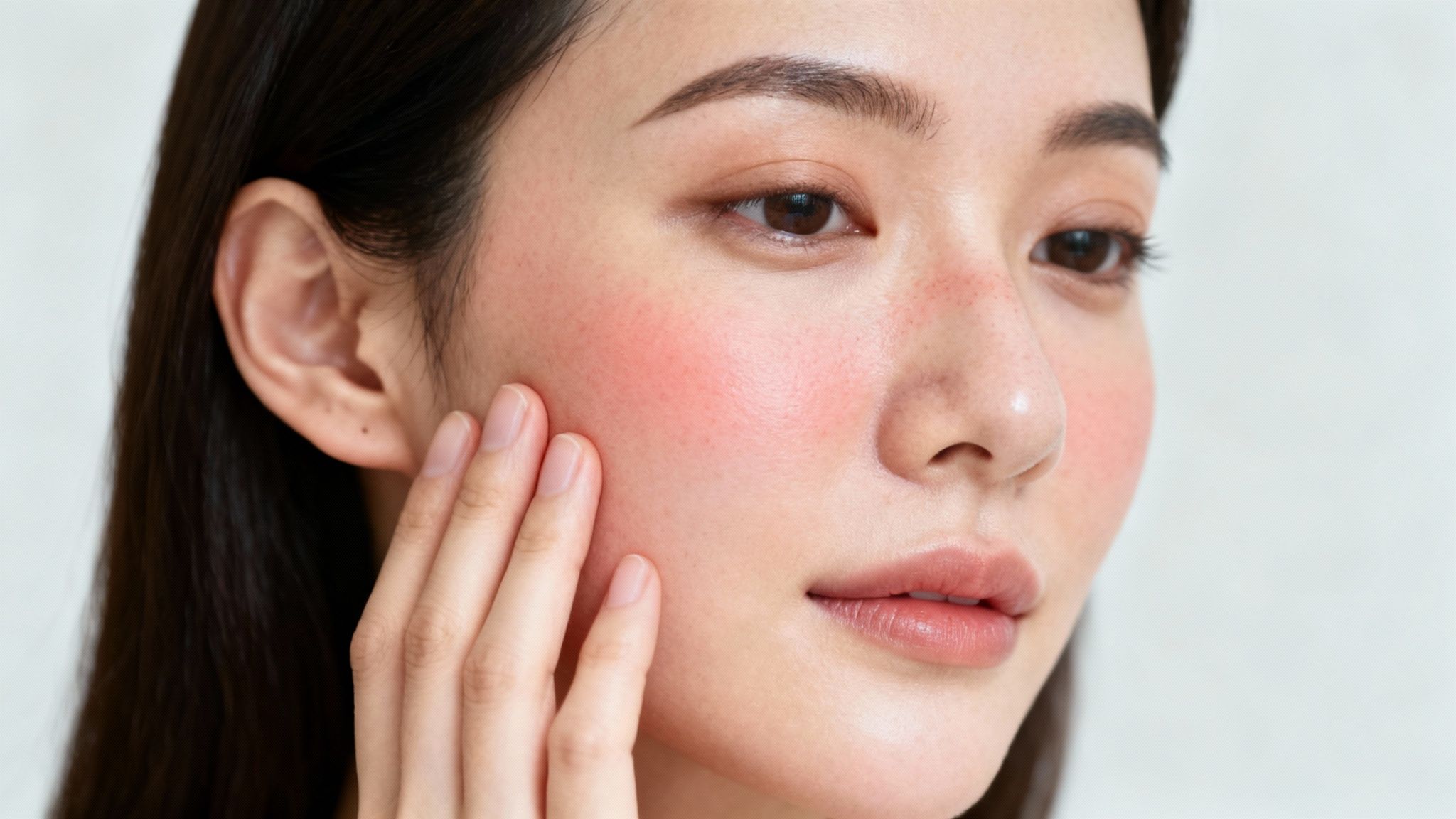
Living with rosacea can be incredibly frustrating, especially when flare-ups seem to pop up out of nowhere. Many of our patients at Mid-County Dermatology here in St. Louis come to us searching for sustainable ways to calm their skin without turning to harsh treatments right away.
This guide is all about that gentle, practical, and holistic philosophy.
The strategy really boils down to a few core ideas:
Strengthening Your Skin's Barrier: Think of your skin barrier as a security guard. A healthy one is crucial for keeping irritants out and locking precious moisture in. Natural methods are all about nurturing this protective layer.
Reducing Inflammation from Within: What you eat and how you handle stress have a direct line to the inflammation that fuels rosacea symptoms.
Identifying Your Unique Triggers: Rosacea is deeply personal. What causes a flare-up for one person might be totally fine for another. A natural approach empowers you to figure out what specifically makes your skin react.
For our patients from Clayton to Chesterfield, the end goal is always the same: to feel in control and find lasting relief through consistent, gentle care. It's about building a lifestyle that supports calm, happy skin.
Adopting a Holistic Philosophy
At its heart, managing rosacea naturally means seeing your skin as part of a much bigger picture. The redness on your cheeks might be directly connected to the stress of a long commute through Frontenac, or maybe it was that spicy dinner you had over the weekend. Making those connections is the first real step toward lasting calm.
To really lean into this gentle approach, it helps to read up on sensitive skin care in general. We often recommend a practical guide on how to treat sensitive skin to our patients because so many of the same principles apply directly to managing rosacea. The key is always consistency and patience.
And, of course, sun protection is completely non-negotiable. As any St. Louis skin doctor will tell you, daily UV exposure is one of the most common rosacea triggers. Finding a gentle, mineral-based sunscreen is a foundational piece of the puzzle for preventing flare-ups.
Your Natural Rosacea Management Plan
Getting a handle on rosacea naturally isn't about chasing a single miracle cure. It’s about building a consistent, thoughtful plan that calms your skin from the inside out and the outside in. Think of this as your personal roadmap to fewer flare-ups and skin you can finally understand.
This whole approach is built on tackling both internal triggers and external irritants. It's how you take back control, whether you're dealing with the changing seasons in Clayton or the daily grind in Creve Coeur.
The Three Pillars of Natural Management
Here at Mid-County Dermatology, our board-certified St. Louis dermatologists, Dr. Feigenbaum and Dr. Gibstine, consistently guide patients toward a simple, three-part strategy. By focusing on these core areas, you create a supportive environment where your skin can actually heal and build resilience over time.
Before we dive deep into the specifics, let's look at the big picture. This framework is the foundation of our entire guide and helps organize your efforts for the best possible results.
"A successful natural rosacea plan isn't about a single magic ingredient. It’s about the synergy of a gentle skincare routine, an anti-inflammatory diet, and smart lifestyle choices working together to support your skin’s health." - Dr. Connie Gibstine, Mid-County Dermatology
We've broken down this philosophy into a simple table to give you a quick summary of where we're headed.
Three Pillars of Natural Rosacea Management
Pillar | Key Action | Primary Goal |
|---|---|---|
Soothing Skincare | Adopt a minimal, gentle routine using non-irritating products and consistent sun protection. | To strengthen the skin’s protective barrier and reduce topical inflammation. |
Anti-Inflammatory Diet | Prioritize antioxidant-rich foods and healthy fats while identifying and avoiding dietary triggers. | To reduce systemic inflammation that can manifest as redness and flushing in the skin. |
Mindful Lifestyle | Manage stress, avoid environmental triggers like extreme temperatures, and protect skin from sun. | To minimize exposure to known flare-up triggers and maintain a calm internal state. |
Think of these pillars as the legs of a stool—if one is weak, the whole system becomes unstable. By addressing all three together, you build a strong, stable foundation for calmer, healthier skin. Now, let's get into the details of each one.
Building Your Soothing Skincare Routine
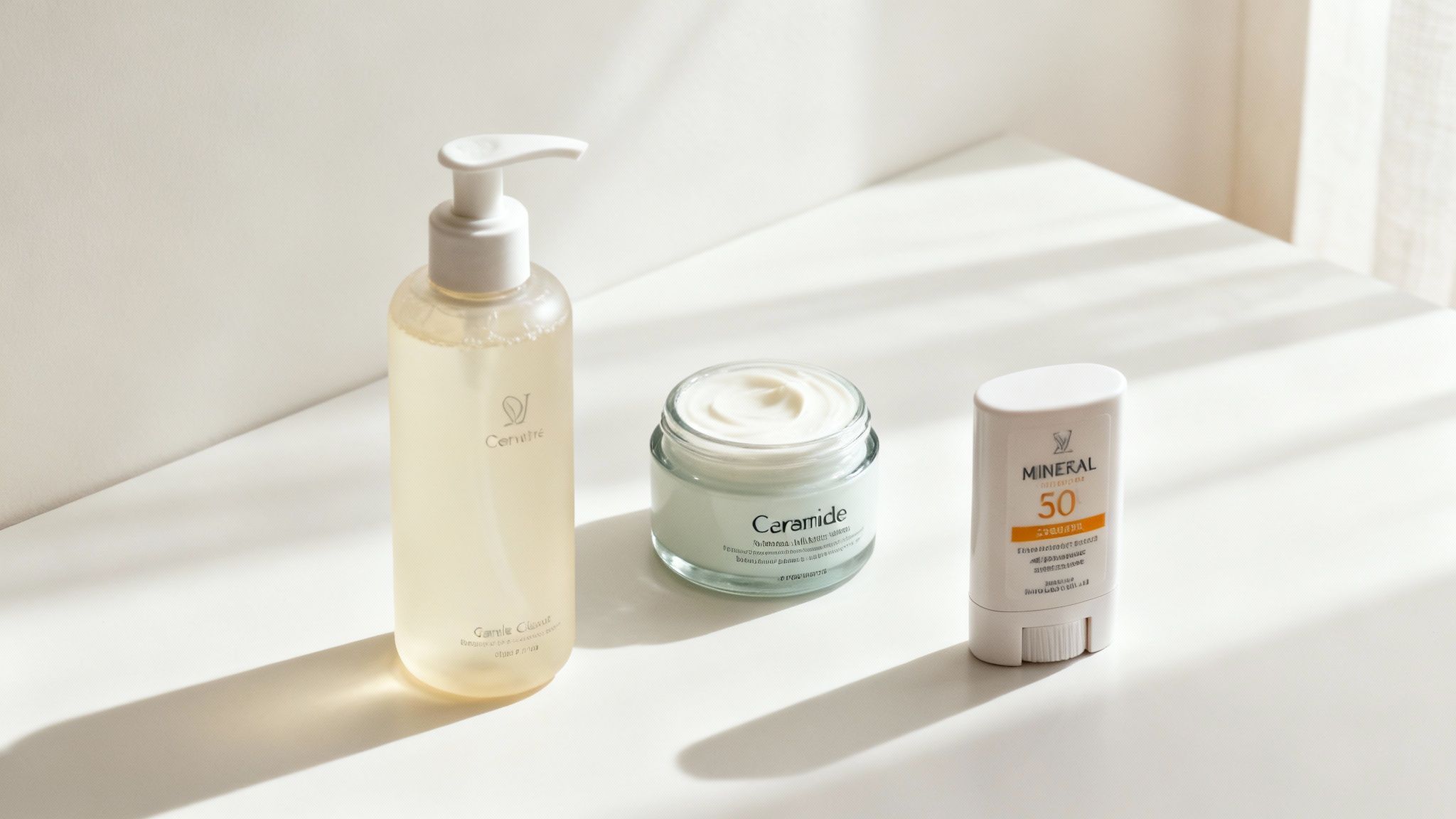
When you're dealing with rosacea, your daily skincare routine is your first line of defense. The right approach isn't about piling on products; it's about carefully choosing a few gentle, effective essentials that calm irritation and support your skin's protective barrier. For our patients across St. Louis, from Ladue to Creve Coeur, we always stress that simplicity is key.
A strong skincare routine for rosacea is built on a simple foundation: cleanse, moisturize, and protect. Anything extra just risks irritation. The goal is to create a predictable, soothing environment where your skin doesn't have to work overtime to stay calm.
Start with a Gentle Cleanser
The very first move is to swap any harsh, sudsy cleansers for a milky, non-foaming, or cream-based alternative. Foaming agents, especially sulfates, can strip the skin of its natural oils, weakening the barrier and leaving it wide open to triggers. You want a cleanser that gets the job done without that tight, "squeaky clean" feeling.
Look for products that are pH-balanced and fragrance-free. After washing, your skin should feel soft and comfortable, not angry and red. This one simple switch is often one of the most powerful changes our patients make.
Hydrate with Barrier-Supporting Moisturizers
Next up, a high-quality moisturizer is completely non-negotiable. For rosacea-prone skin, the mission is two-fold: hydrate while actively repairing the skin barrier. The best way to do this is with ingredients that mimic the skin’s own natural structure.
Key Moisturizing Ingredients to Look For:
Ceramides: These are the essential lipids (fats) for proper barrier function. They help lock in moisture and shield the skin from environmental irritants.
Niacinamide (Vitamin B3): This is an incredible anti-inflammatory ingredient that can visibly reduce redness and help fortify the skin barrier. You can learn more about niacinamide for skin in our complete guide.
Hyaluronic Acid: This humectant acts like a sponge, drawing moisture into the skin for gentle hydration that never feels heavy or greasy.
At Mid-County Dermatology, we often remind patients that a damaged skin barrier can't effectively protect itself. A good moisturizer doesn't just add moisture; it rebuilds your skin's natural defenses, which is a core part of managing rosacea.
Explore Evidence-Based Natural Topicals
Beyond the basics, some natural ingredients are showing real promise in calming rosacea. For instance, a 2024 clinical trial published in Pharmaceuticals found that a cream containing 1% Chrysanthemum indicum significantly improved redness and rosacea severity. It's believed to help strengthen capillaries and reduce vascular permeability, offering a powerful, evidence-based option with minimal side effects. You can read the full research on this exciting natural topical. Please note that some folks have an allergy to this ingredient, so it is important to apply daily to the inner arm for 5-7 days prior to use to ensure you are not sensitive to it.
Other soothing natural topical ingredients include green tea extract, which is packed with anti-inflammatory polyphenols that can calm irritated blood vessels, and licorice root extract, renowned for its redness-reducing compound, licochalcone A. Centella asiatica (often called cica or tiger grass) is a powerhouse that works beautifully alongside deeply moisturizing, barrier-repairing jojoba oil—a lightweight wax ester that closely mimics human sebum without clogging pores. For intense hydration and healing, Manuka honey acts as a natural humectant with powerful anti-inflammatory properties. Staple ingredients like colloidal oatmeal, chamomile, and aloe vera also offer immediate, cooling comfort. However, not all natural ingredients are safe for rosacea; while it is tempting to reach for antimicrobials like tea tree oil, it is best to approach volatile essential oils with extreme caution, as they are notorious triggers that can cause further stinging and redness. Incorporating the gentler botanical allies into a daily routine can help manage symptoms and keep sensitive skin visibly calmer over time.
Finally, daily mineral-based sunscreen is the most critical step of all. Sun exposure is a primary trigger for rosacea, bar none. A physical sunscreen with zinc oxide or titanium dioxide provides a literal shield against UV rays without the chemical irritants found in some formulas, making it an absolute must-have for every St. Louis skin specialist and patient.
Eating to Reduce Skin Inflammation
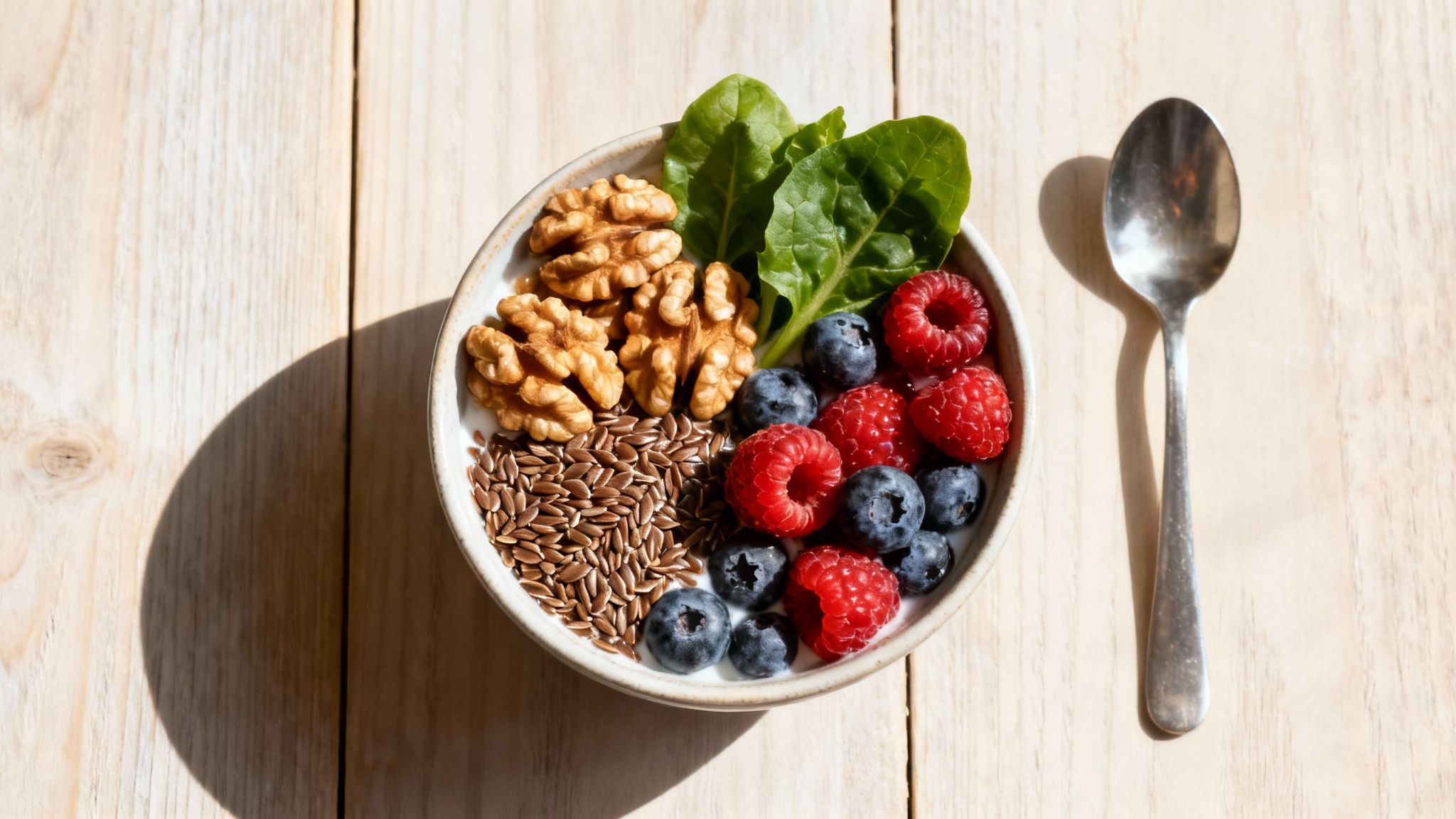
What you eat has a direct, and frankly, powerful influence on the inflammation that drives rosacea flare-ups. At Mid-County Dermatology, we encourage our patients—from Creve Coeur to Frontenac—to see their diet not as a set of restrictions, but as a proactive tool for achieving calmer, more resilient skin. Adopting an anti-inflammatory eating style is a cornerstone of learning how to manage rosacea from the inside out.
The whole approach centers on nourishing your body with foods that actively fight inflammation while mindfully reducing the ones known to trigger it. It’s all about empowering yourself to make skin-friendly choices.
Embracing Anti-Inflammatory Foods
At its core, a rosacea-friendly diet is built on foods bursting with antioxidants and healthy fats. These nutrients help quiet systemic inflammation, which in turn can dial down the redness and sensitivity you see on your skin.
Think of it as cooling your body from within. By consistently choosing these powerhouse foods, you create an internal environment that's simply less prone to the inflammatory cascades that lead to those frustrating flare-ups.
Foods to Prioritize for Calmer Skin:
Omega-3 Fatty Acids: Found in walnuts, flaxseed, and fatty fish like salmon, these fats are essential for dialing back inflammation all over the body.
Antioxidant-Rich Berries: Blueberries, raspberries, and blackberries are packed with compounds that help neutralize the cellular damage that contributes to inflammation.
Leafy Greens: Spinach, kale, and Swiss chard are true nutritional champions, offering a host of vitamins and minerals that support overall skin health.
Healthy Fats: Avocado and olive oil provide fantastic monounsaturated fats that support a healthy inflammatory response. Olive oil, in particular, is a cornerstone of an anti-inflammatory diet; you can learn more by checking out a complete guide to olive oil's anti-inflammatory benefits.
Identifying Your Personal Dietary Triggers
While loading up on anti-inflammatory foods is a huge step, figuring out your personal triggers is just as important. Rosacea is incredibly individual; what causes a flare-up for one person in Clayton might not affect someone else in Ladue at all.
The single most effective way to pinpoint what bothers your skin is to keep a simple food and symptom diary. For a few weeks, just jot down what you eat and drink, and make a note of any changes you see in your skin.
"A food diary is your best detective tool. It transforms the mystery of random flare-ups into actionable data, empowering you to make personalized dietary choices for your skin's unique needs." - Dr. Lawrence Feigenbaum, Mid-County Dermatology
Common Dietary Triggers to Watch For:
Spicy Foods: Ingredients like chili powder, cayenne, and hot sauce can cause vasodilation—the widening of blood vessels—which often leads to immediate flushing.
Hot Beverages: It's often the heat from coffee, tea, or soup that triggers a flushing response, not necessarily the ingredients themselves. Try letting them cool to a lukewarm temperature before sipping.
Alcohol: Red wine is a notorious trigger for many, but really, any type of alcohol can contribute to inflammation and redness.
Cinnamaldehyde-Containing Foods: For some people, foods like tomatoes, citrus fruits, and chocolate can be a trigger because they contain a compound called cinnamaldehyde.
The Role of Gut Health and Supplements
Beyond specific foods, a growing body of research highlights the profound connection between gut health and skin inflammation. A balanced gut microbiome helps regulate the immune system, which can absolutely lead to calmer skin. You can learn more about how your gut bacteria transform your skin health in our detailed article.
On top of that, certain supplements have shown some real promise. As noted by the American Academy of Dermatology (AAD), Zinc has been scientifically substantiated as a natural option for rosacea thanks to its immune-modulating and anti-inflammatory properties. Of course, as any St. Louis skin specialist would tell you, it's always best to consult your dermatologist before starting any new supplements.
Lifestyle Changes That Minimize Flare-Ups
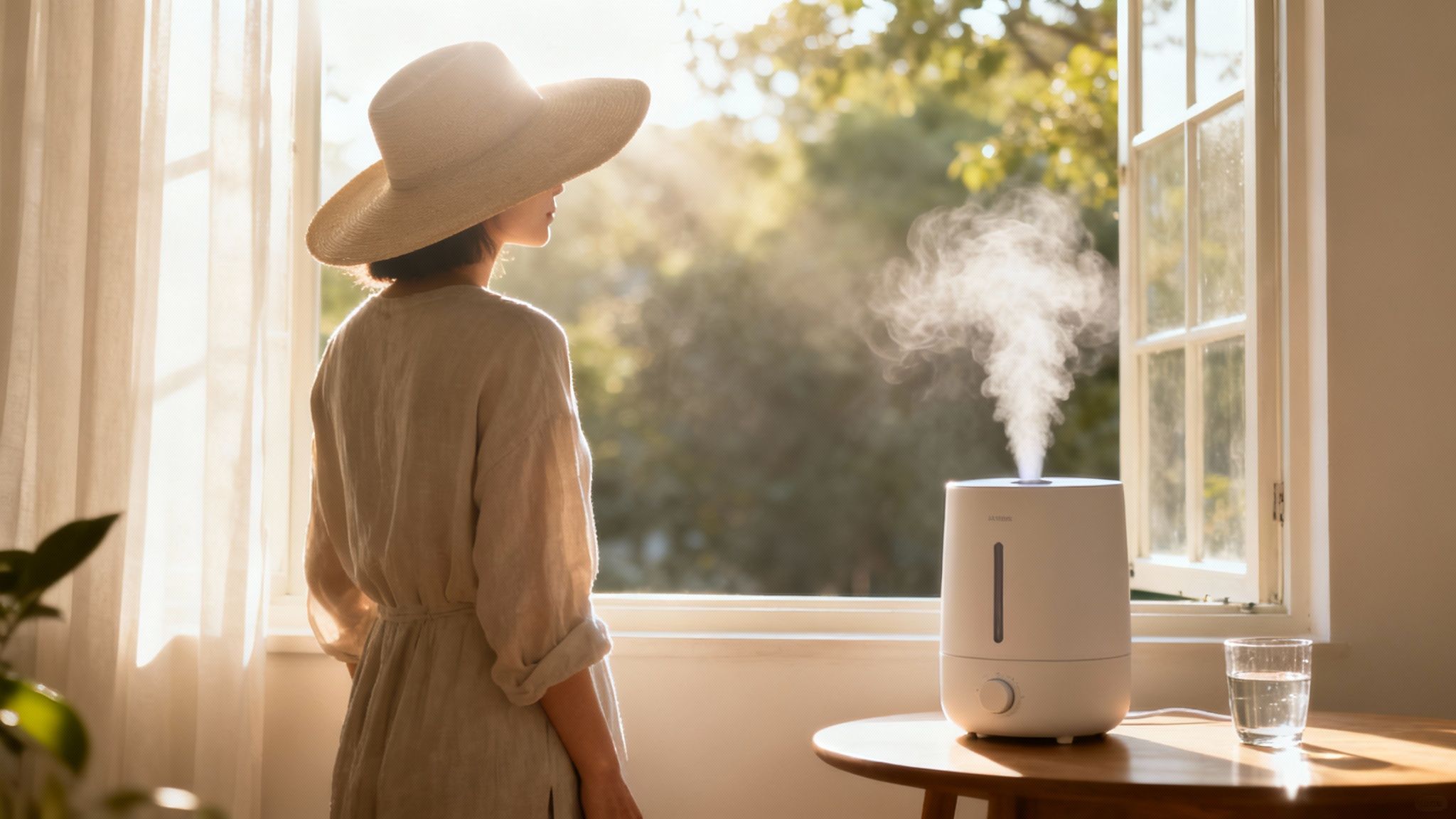
Managing rosacea is about more than just skincare products and diet. Your daily habits and environment have a massive impact on your skin's behavior. Learning to make mindful lifestyle adjustments is one of the most powerful ways to treat rosacea naturally, creating a stable, skin-friendly world that keeps flare-ups at bay.
Here at Mid-County Dermatology, we see countless patients from all over St. Louis who notice a direct link between their flare-ups and things like stress, weather changes, or even their workout routine. The idea isn't to live inside a bubble, but to thoughtfully adapt your habits to better support what your skin needs.
Manage Your Stress Levels
It's no secret that stress is a huge trigger for rosacea. When you're feeling stressed, your body pumps out cortisol, a hormone that drives inflammation and can lead to that all-too-familiar flush. Finding healthy ways to manage the daily grind isn't just good for your mental health—it's absolutely essential for your skin.
Try weaving one of these calming practices into your week:
Mindful Breathing: Just five minutes of slow, deep breaths can dial back your body's stress response. You can do this during your commute in Clayton or right before a big meeting in Chesterfield.
Gentle Movement: Activities like yoga, tai chi, or even just a peaceful walk can melt away stress without causing you to overheat, which is another common trigger.
Prioritize Sleep: Getting consistent, quality sleep is non-negotiable for keeping inflammation under control. Aim for 7-9 hours a night to give your skin the time it needs to repair itself.
Adapt Your Environment
Your immediate surroundings can either soothe your sensitive skin or set it off. Small tweaks to your environment can make a world of difference in preventing redness and irritation, especially with the wild, fluctuating weather we get here in St. Louis.
Practical Environmental Controls:
Control Your Indoor Climate: Dry indoor air, especially during our frigid St. Louis winters, can suck the moisture right out of your skin. Pop a humidifier in your bedroom or office to help keep your skin barrier happy and hydrated.
Rethink Your Shower Routine: Scalding hot water is a major culprit for flushing. Stick to lukewarm showers and baths, and be gentle when you dry off—always pat, don't rub.
Get Smart About Sun Protection: Sun exposure is a primary trigger for almost everyone with rosacea. On top of your daily sunscreen, always wear a wide-brimmed hat if you'll be outside for a while, whether you're in Frontenac or just hanging out in your backyard.
As your local St. Louis skin specialist, Dr. Gibstine often advises patients: "Your skin is constantly communicating with its environment. By controlling factors like humidity, temperature, and stress, you're actively participating in that conversation and steering it toward a calmer outcome."
These lifestyle adjustments give you the power to take proactive control. Each small, consistent change builds on the last, creating a pattern of stability that reduces the frequency and intensity of flare-ups and helps you feel more comfortable in your own skin.
When Natural Approaches Need a Dermatologist's Help
While adopting a gentle skincare routine and making thoughtful lifestyle changes are foundational for getting a handle on rosacea, there are times when these efforts just aren't enough on their own.
Knowing when to bring in professional medical guidance is a crucial part of your long-term skin health strategy. If you’re sticking to a natural plan but your skin is still struggling, it’s a clear sign to consult a board-certified specialist at a trusted St. Louis Dermatology practice like Mid-County Dermatology.
Recognizing the Signs to See a Professional
Certain symptoms signal that your rosacea might be progressing and requires medical intervention to get it under control. Don't hesitate to schedule a consultation with a dermatologist if you experience any of the following.
Persistent Papules and Pustules: If you have bumps and pimples that don’t improve with gentle care, a prescription topical might be necessary to manage the underlying inflammation.
Skin Thickening (Phymatous Changes): Any noticeable thickening of the skin, especially on and around the nose, requires prompt medical attention. This isn't something to wait on.
Ocular Rosacea: Symptoms like eye irritation, dryness, burning, or a gritty feeling are classic signs of ocular rosacea. This needs to be evaluated by a professional to protect your eye health.
The Power of an Integrative Approach
At our St. Louis dermatology practice, we've seen firsthand that combining natural methods with proven medical treatments gets the best results. It’s not about choosing one over the other; it’s about creating a powerful, synergistic plan.
Research consistently backs this up. A 2021 meta-analysis in Frontiers in Pharmacology found that combining traditional remedies with standard biomedical treatments led to a higher overall effective rate and significantly reduced recurrence. This is a huge deal for long-term management.
"The goal isn't to choose between natural and medical—it's to intelligently combine them. We create personalized plans for our patients in Clayton, Ladue, and Creve Coeur that leverage the best of both worlds, from dietary guidance to advanced laser therapies, for the most effective and sustainable results." - Dr. Lawrence Feigenbaum, Mid-County Dermatology
This approach allows our St. Louis skin specialists, Dr. Feigenbaum and Dr. Gibstine, to create a truly comprehensive plan that calms your skin, reduces flare-ups, and gives you back control.
Key Takeaways
Consistency is Crucial: The most effective natural rosacea treatments are the ones you do consistently, from your daily skincare to your dietary choices.
Be a Detective: Use a food and symptom diary to identify your personal triggers for flare-ups.
Focus on Anti-Inflammation: Choose skincare, foods, and lifestyle habits that calm inflammation from both the inside and outside.
Sunscreen is Non-Negotiable: Daily use of a mineral-based, broad-spectrum sunscreen is the single most important step in preventing rosacea flares.
Know When to Seek Help: Don't hesitate to consult a board-certified dermatologist if natural methods aren't enough or if symptoms worsen. An integrative approach is often the most successful.
FAQ: Your Questions Answered
When you’re trying to manage rosacea naturally, a lot of practical questions pop up. Here at Mid-County Dermatology, we hear them all the time from our patients who are navigating the day-to-day realities of their skin. Below, Dr. Feigenbaum and Dr. Gibstine tackle some of the most common queries we get.
What is the fastest way to calm a rosacea flare-up naturally?
When you feel that familiar heat and redness creeping in, your first move is to cool your skin down—fast. Apply a soft, cool water compress to the affected areas for 10-15 minutes. Sipping a cold drink can also help lower your core body temperature. Step away from immediate triggers like heat or spicy food, apply a simple, soothing moisturizer, and take a few moments for deep breathing to manage the stress response.
Can I wear makeup if I have rosacea?
Yes, you absolutely can! The key is being incredibly picky about the products you use. Mineral-based makeup, especially powders, tends to be a much better friend to rosacea-prone skin than heavy liquid foundations. A green-tinted primer can be a total game-changer to visually cancel out redness. Look for products that are fragrance-free, non-comedogenic, and have a minimal ingredient list.
Are any vitamins bad for rosacea?
For the most part, vitamins are beneficial, but there is one major exception: high doses of Niacin (Vitamin B3). This specific form, often found in stand-alone supplements for cholesterol, is notorious for causing an intense flushing reaction that can mimic or worsen a rosacea flare-up. The small amount in a standard multivitamin is typically fine, but high-dose supplements are a known issue. Always consult your St. Louis dermatologist before starting a new supplement.
Ready to create a personalized, effective plan for your rosacea? The board-certified St. Louis skin specialists at Mid-County Dermatology are here to help. We combine the best of natural approaches with proven medical treatments to give you lasting relief. Schedule your consultation today by visiting our website.


Comments