
Telogen Effluvium Recovery Timeline in St. Louis: Month-by-Month Regrowth
- May 1
- 7 min read
Regrowing Your Hair After Telogen Effluvium
Most people start seeing their hair grow back after telogen effluvium within 3 to 6 months, and fuller thickness often returns by 9 to 12 months or longer, depending on your hair length and overall health. In most cases, the hair follicles remain healthy and the shedding is temporary, especially when the underlying trigger is found and treated. Working with a board-certified dermatologist and using lab work when needed can help confirm the diagnosis, rule out other causes and guide a personalized recovery plan.
Key Takeaways
Most shedding slows by about 3 to 6 months, early baby hairs show up around this time, and fuller density can take 9 to 12+ months.
Regrowth starts as short, fine hairs along the part, hairline, and temples that slowly thicken and lengthen month by month.
Dermatologists often order blood work at the start and sometimes repeat it at 3 to 6 months if shedding continues or labs were off.
Local factors in St. Louis, like seasonal sunlight, allergies, stress, and diet habits, can influence how smoothly hair recovers.
Ongoing heavy shedding, odd lab results, or a scalp that looks patchy or irritated are signs to see a dermatologist for a closer look.
At our dermatology clinic in St. Louis, we see telogen effluvium often. We focus on finding the reason for the shedding, checking for medical causes, and building an individualized telogen effluvium treatment plan in St. Louis so you are not guessing your way through recovery.
What Is Telogen Effluvium and Why Did My Hair Start Shedding So Fast?
Your hair grows in a cycle. Each hair goes through three main stages:
Anagen: the growth phase, which lasts several years
Catagen: a short transition phase
Telogen: the resting phase, when the hair eventually sheds
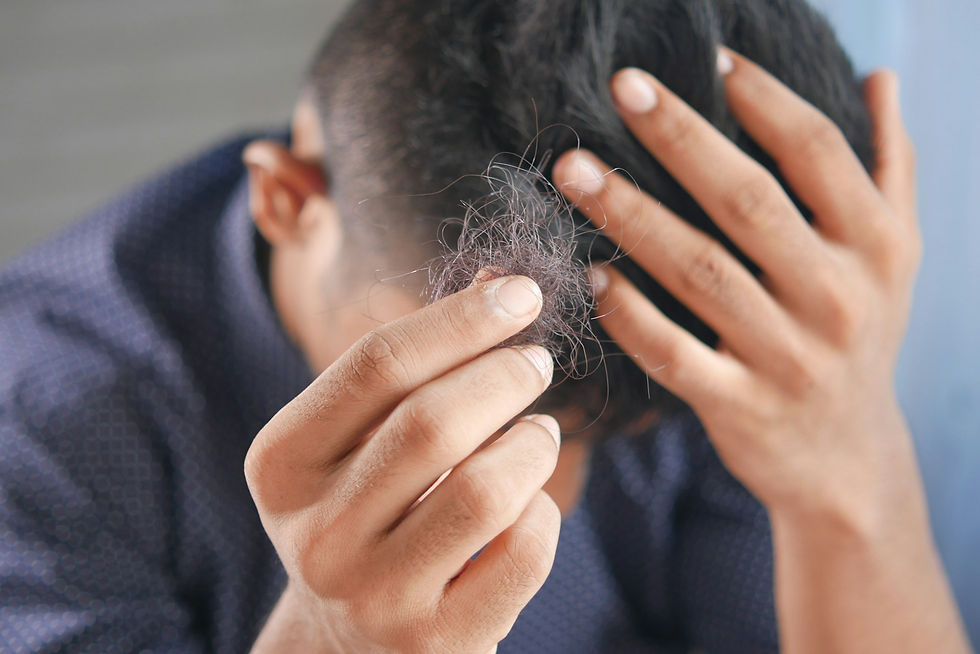
Normally, only a small percentage of hairs sit in telogen at any time. In telogen effluvium, many more hairs than usual shift into this resting phase together. A few months later, they shed at once. That is why you suddenly see more hair in the shower, on the pillow, or in your brush.
Common triggers we see include:
Illness or high fever
Surgery or major medical events
Childbirth and the postpartum period
Sudden weight loss or strict dieting
Major emotional stress
Some medications
Thyroid or iron problems
Telogen effluvium is different from other types of hair loss like genetic thinning or scarring hair loss. With telogen effluvium, the hair follicles usually stay healthy, and the loss is more diffuse rather than patchy. Getting an accurate diagnosis from a board-certified dermatologist matters, because treatment plans are not the same for every type of hair loss.
What Does Telogen Effluvium Recovery Look Like Month by Month?
Recovery follows a pattern, but it can vary from person to person.
Months 0 to 3
This is often the ‘silent’ stage. A stress or trigger event happens, but the hair still looks normal at first. Then shedding begins. People usually notice:
More hair on the shower floor or in the drain
Extra hair on the pillow or clothing
A thinner feel to a ponytail
The scalp usually does not have bald patches, but the hair can seem lighter or flatter.
Months 3 to 6
For many people, this is when shedding starts to slow. You may still lose hairs, but the daily amount starts to feel less scary. Early signs of regrowth include:
Short, fine "baby hairs" along the hairline, part, and temples
A soft halo of new growth around the front and crown
Hair that may look a bit frizzier or with a different curl pattern at first
Months 6 to 9
Density often improves more clearly now. You might notice:
A thicker ponytail compared to a few months before
Less scalp showing under bright light
Styling that feels easier and less flat
Some areas can still look a little see-through, especially if your hair is very fine or long.
Months 9 to 12 and beyond
Many people feel close to their baseline thickness by this time. Full cosmetic recovery can still take 12 to 18 months, especially if:
Your hair is long, so new growth needs more time to catch up
There are ongoing health issues being treated
There were repeated triggers, like ongoing stress or nutrient gaps
These are general timelines. An in-person check with a board-certified dermatologist helps confirm that recovery is on track and that there are no other types of hair loss mixed in.
When Should I Check Labs for Telogen Effluvium in St. Louis?
At the first visit, dermatologists often consider lab work to look for medical reasons that can trigger telogen effluvium. Testing is always individualized, but common labs may include:
Thyroid function tests
Iron and ferritin levels
Vitamin D
Vitamin B12
Other tests based on your symptoms and history
If any labs are off, they may be repeated at about 3 to 6 months to see how treatment is working. Rechecks are also considered if:
Shedding has not slowed by around 6 months
New symptoms appear, such as fatigue, weight changes, or menstrual changes
There is concern for another medical condition
In St. Louis, seasonal changes can also play a role. Less sunlight in winter can affect vitamin D levels. Allergy seasons in spring and fall can add to overall body stress and sleep issues. These local factors are part of the bigger picture when we think about hair health over time. Lab interpretation should always be done by a medical professional, not based on guesswork or online supplement advice.
Which Telogen Effluvium Treatments Actually Help Regrowth?
The core of telogen effluvium treatment in St. Louis is finding and correcting the trigger. Without that, supportive products alone usually are not enough. Key steps often include:
Treating anemia or low ferritin if present
Adjusting thyroid problems with your medical team
Reviewing medications that might affect hair
Addressing nutritional gaps or very restrictive eating patterns
Working on realistic stress reduction
Supportive measures can include:
Gentle hair and scalp care, no harsh pulling or tight styles
Topical or oral medications when appropriate, discussed with a dermatologist
Targeted supplements only when a lab-proven deficiency exists
Stress management strategies such as better sleep habits and movement
Things to avoid:
Unproven "quick fix" products that promise instant regrowth
Overly aggressive bleaching, straightening, or tight braids and extensions
High-dose supplements without lab guidance, which can cause other problems
A personalized plan built around your health history, exam findings, and lab results is usually more effective than a one-size-fits-all routine.
How Can I Tell If My Hair Loss Is Improving or Getting Worse?
Signs that telogen effluvium is improving include:
More baby hairs along your part and hairline
A ponytail that feels a bit thicker
Fewer hairs in the shower drain or on your brush
Less scalp showing in bright bathroom or outdoor light
Red flags that deserve a recheck with a dermatologist:
Heavy shedding that keeps going past about 6 months
A clearly widening part or patchy loss
Scalp symptoms like redness, scaling, itching, burning, or pain
New general health symptoms such as fatigue, weight changes, or menstrual shifts
Simple ways to track progress at home:
Take monthly photos of your scalp in the same lighting and position
Measure your ponytail circumference with a soft tape or by feel
Jot down brief notes about daily shedding and changes you notice
Bringing these observations to your appointments can help your dermatologist see patterns and adjust treatment.
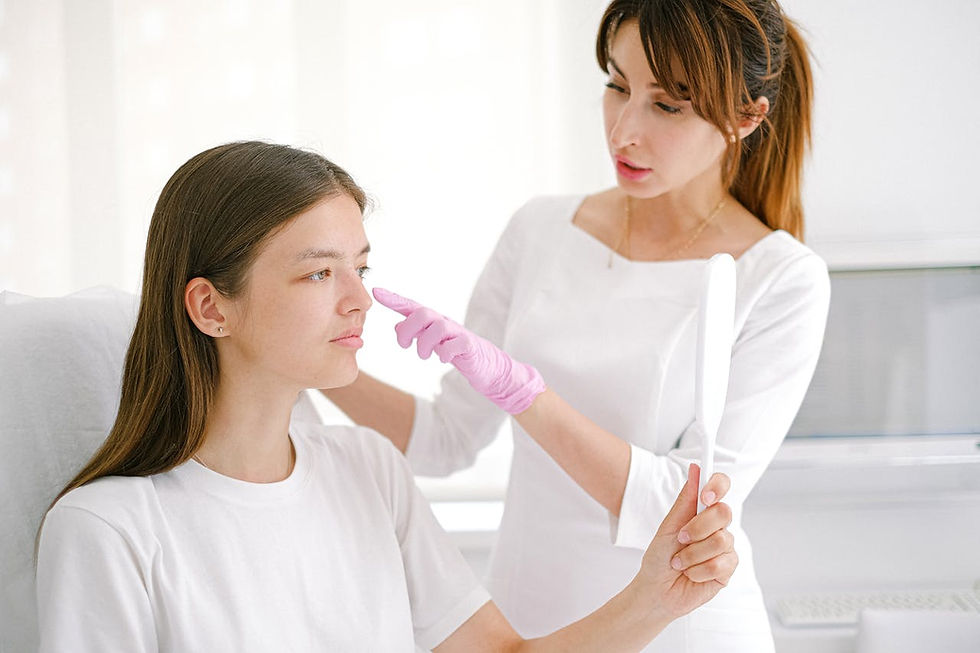
If you are unsure whether your shedding is normal or you are worried about slow regrowth, an in-person evaluation can provide clarity and a tailored plan. The board-certified dermatology team at Mid-County Dermatology in St. Louis can help you sort through potential triggers, review appropriate lab work, and guide you through recovery so you are not navigating hair loss alone.
FAQ: Real Questions From Patients
How Long Does Telogen Effluvium Usually Last Before It Stops?
Most people notice shedding start a few months after a trigger, then it often slows over the next 3 to 6 months as new growth begins.
Is Hair Loss From Telogen Effluvium Permanent or Will It Grow Back?
Telogen effluvium is usually temporary, and the follicles stay alive, so hair typically grows back once triggers are corrected.
Can Stress Alone Cause Telogen Effluvium, or Do I Need Labs?
Significant stress can be enough to trigger shedding on its own, but labs are often helpful to be sure there is not also a thyroid, iron, or other medical issue adding to the problem.
Do I Need to Change My Diet If I Have Telogen Effluvium?
A balanced diet with enough protein, iron, and other nutrients supports healthy regrowth, and any big changes should be guided by your medical team, especially if labs show deficiencies.
Minoxidil for Telogen Effluvium: Will It Worsen Shedding?
Minoxidil can sometimes be part of a plan, but it can also cause a temporary shed when starting, so it is best to discuss the pros and cons with a dermatologist who knows your full history.
Can I Color or Highlight My Hair While It’s Recovering?
Gentle coloring is often possible, but harsh or repeated chemical treatments, tight styles, and heat damage can stress already fragile hair, so it is safer to keep styling as gentle as you can.
When to Worry It’s Not Telogen Effluvium and Return Sooner?
If shedding is very heavy for many months, if you see clear patches or scarring areas, or if you develop scalp pain, redness, or other health changes, it is important to get rechecked for other types of hair loss or medical conditions.
If you are experiencing persistent shedding or are unsure whether telogen effluvium is the cause, consider scheduling an appointment with Mid-County Dermatology in St. Louis. We can evaluate your scalp, review your history and lab results, and create a treatment plan tailored to your needs.
Take Control Of Your Hair Shedding With Expert Care
If you are worried about sudden hair thinning and shedding, we are here to help you understand what is happening and what you can do about it. At Mid-County Dermatology, our board-certified dermatologists provide personalized telogen effluvium treatment in St. Louis tailored to your health history, lifestyle, and goals. Schedule an appointment so we can identify the cause of your hair loss, create a clear treatment plan, and support you step by step.
Sources
Headington JT. Telogen effluvium. New concepts and review. Arch Dermatol. 1993.
Malkud S. Telogen Effluvium: A Review. J Clin Diagn Res. 2015.
American Academy of Dermatology Association. Hair loss: Overview. aad.org

Comments